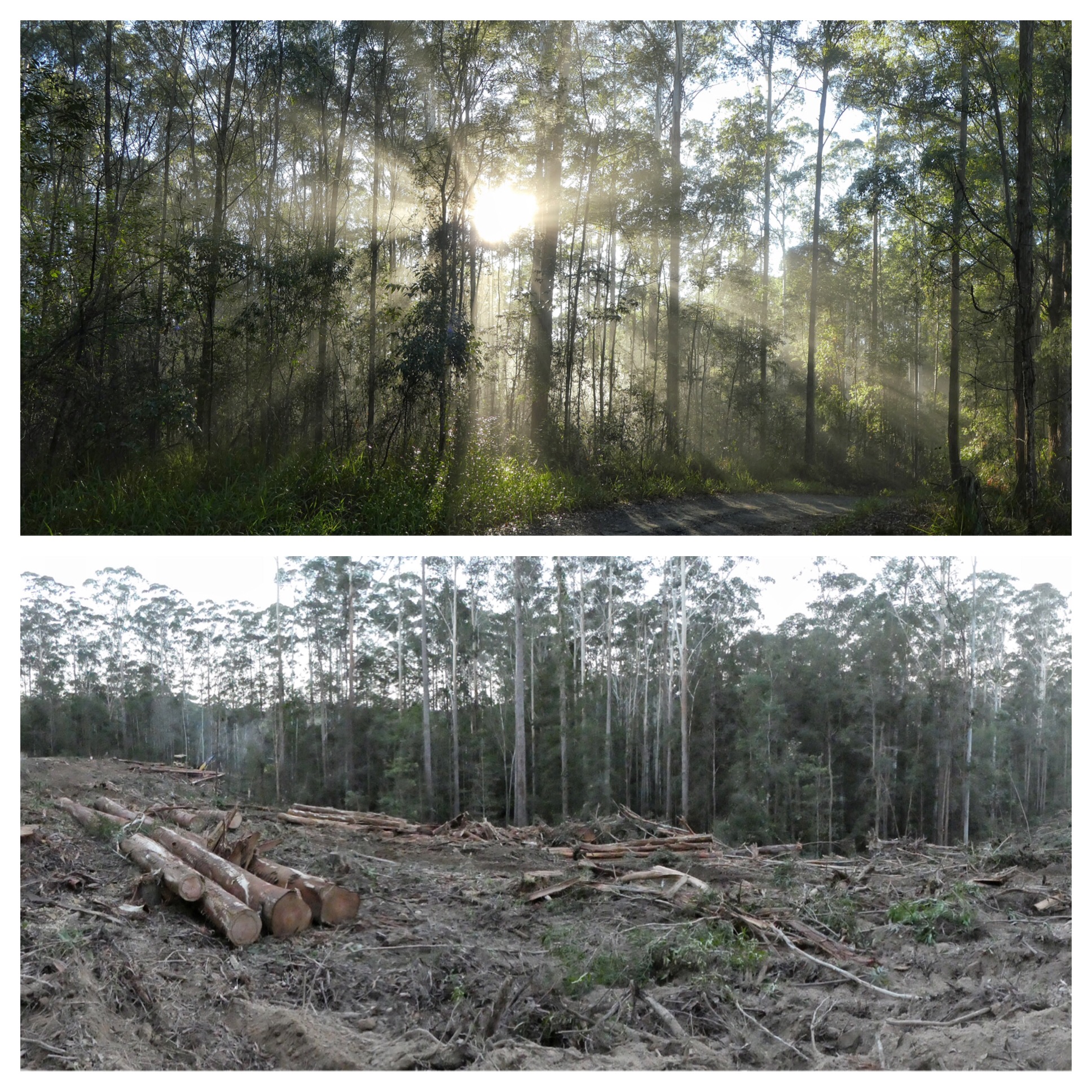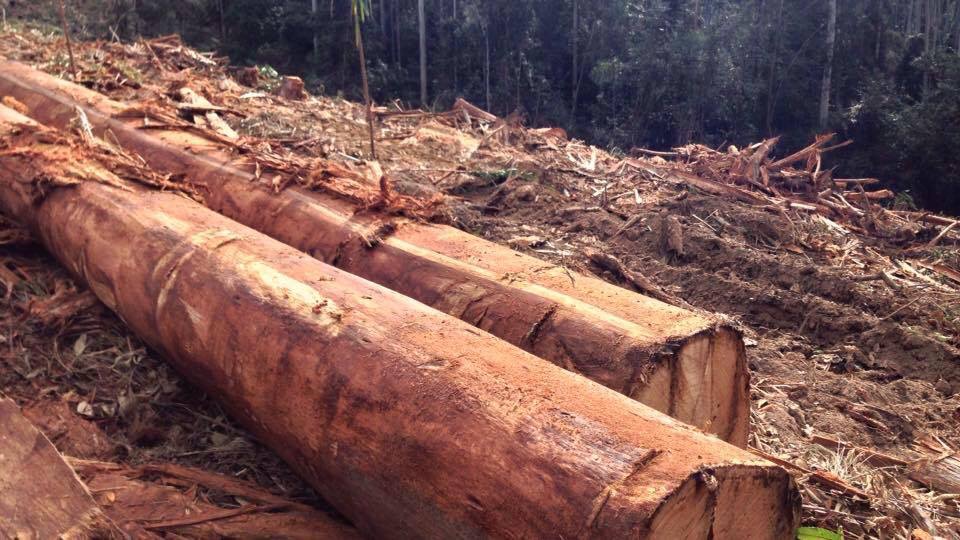
The Country Life

Spring is here, spring is here
Life is skittles and life is beer
I think the loveliest time of the year
Is the spring, I do, don’t you? Course you do
But there’s one thing that makes spring complete for me
And makes every Sunday a treat for me…
Tom Lehrer

That music always round me, unceasing, unbeginning, yet long untaught I did not hear, but now the chorus I hear and am elated.  Walt Whitman

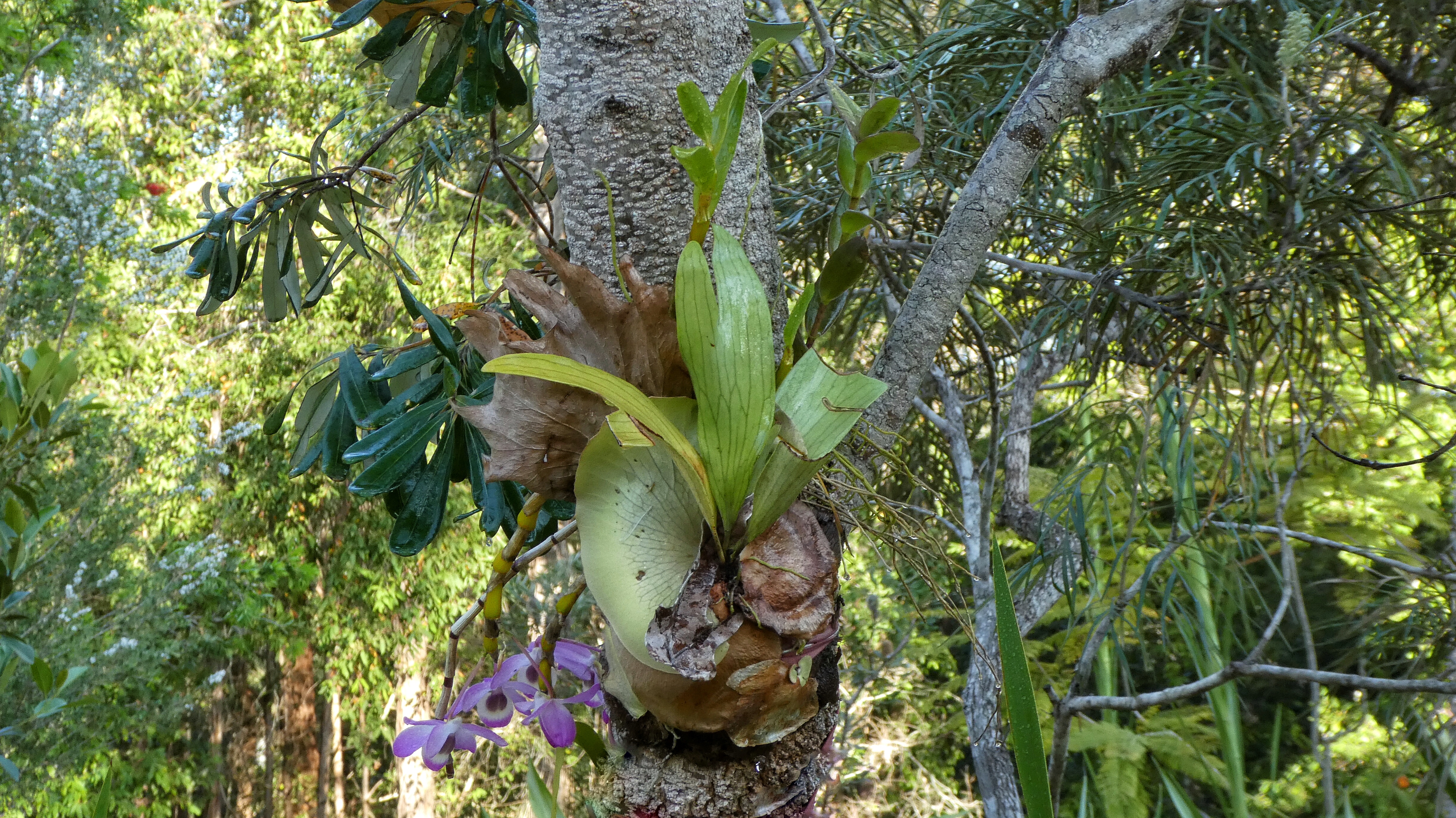
It is five in the morning and the sun she’s rising. Old King Koel has been making his lovelorn call for two hours already. As the shadows lift, a lone kookaburra calls. Another answers, and is immediately joined by a choral cacophony. A whip bird calls in the forest nearby, and somewhere therein, a white-chested pigeon commences its hopeful “woo woo”. Just across the way, barrel-chested wongas waddle across the grass, their heads bobbing fore and aft, abd on a dance floor bedecked with festive straw swiped from the garden and blue trophies gathered from all over, a bower bird rasps loudly to a potential lady love who is edging across the garden. As she enters his bower, he sits on a branch and serenades her with a melody that is all sweetness. A mob of spangled drongos chortle and jingle amidst the trees as if they were about to watch the show.
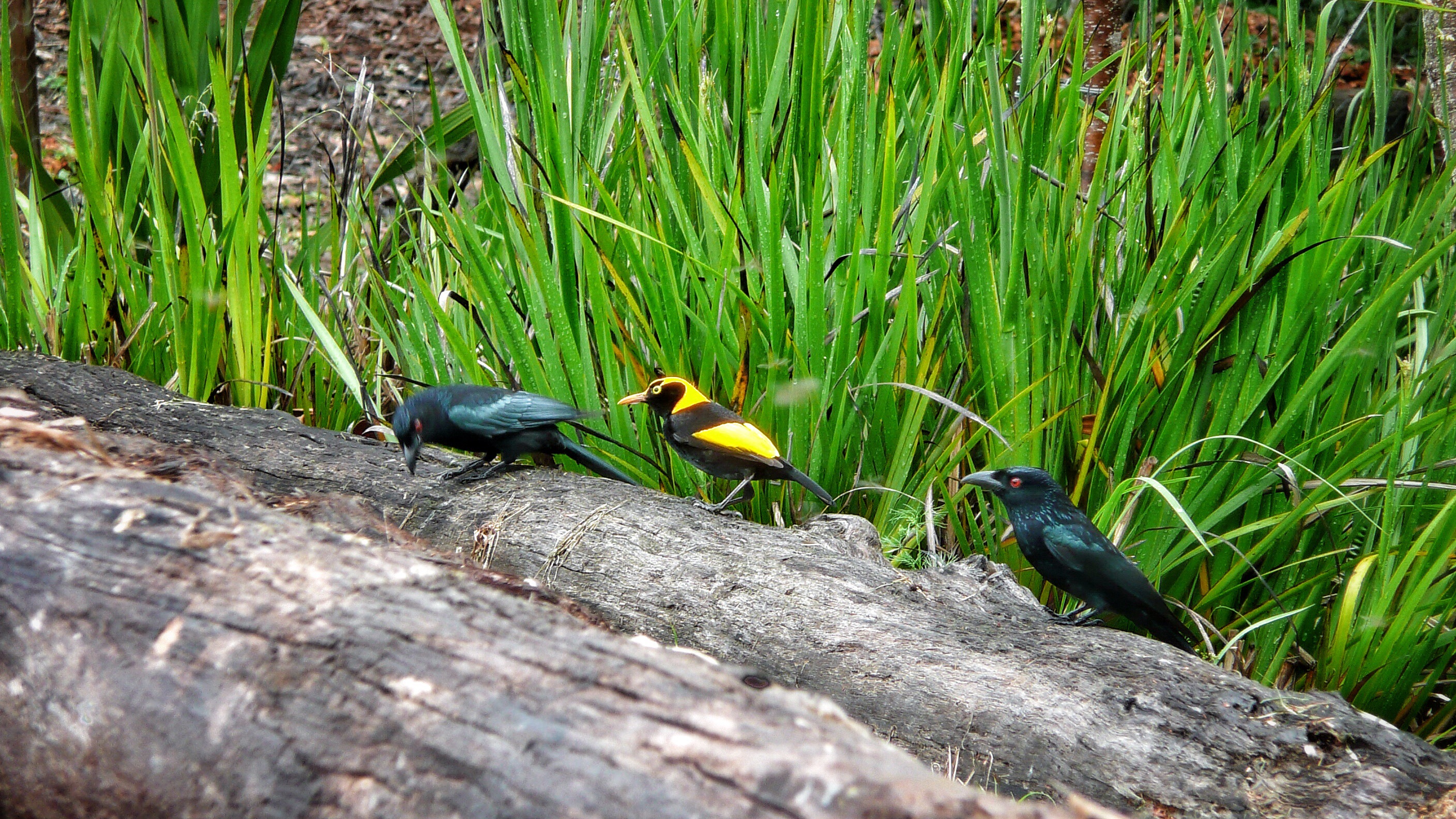
Spangled Drongos and a Regent Bower Bird feeding on a termite swarm

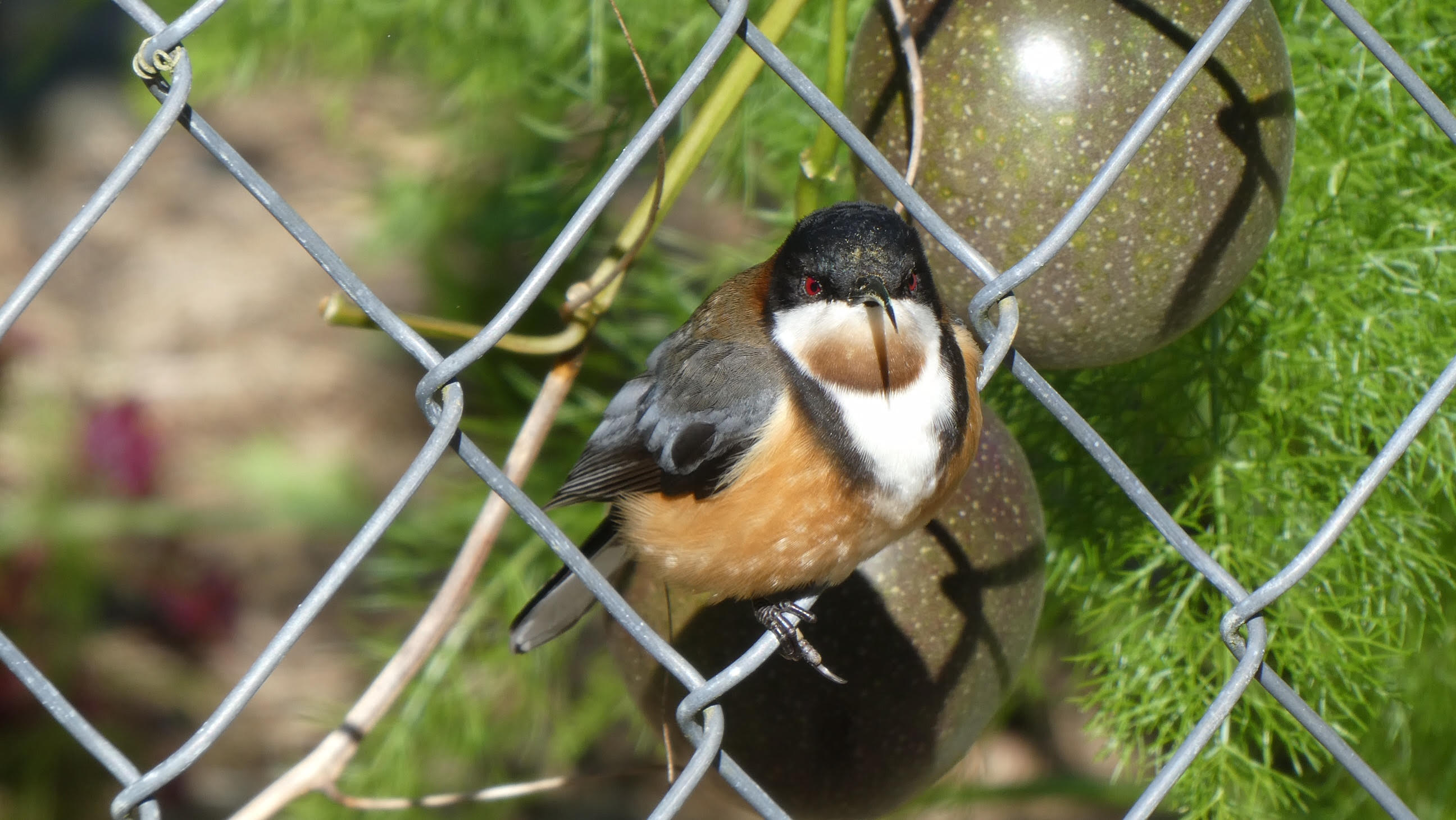
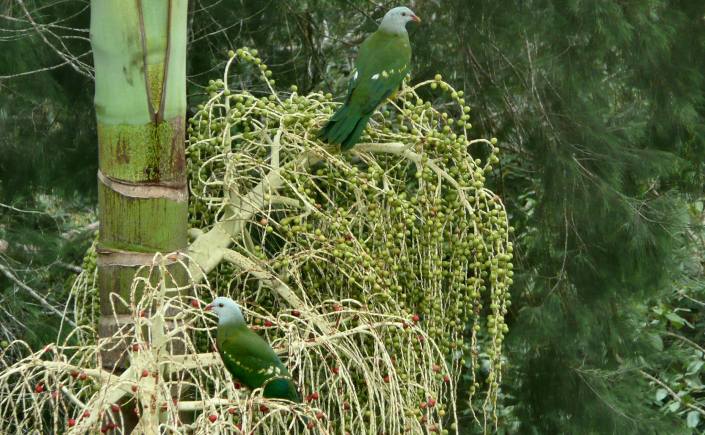
The day brightens and as the nectar warms in the sun, spine-bills, tiny scarlet honey-eaters and lithe wattlebirds flock to the bottle brushes, flocks of red-browed finches twitter in the grass, “Ollie, ollie” oriole carols in the tea trees, the noisy friar bird lives up to his name, and satin and regent bower birds bounce on the grevillia ground cover. The fig birds, all green coats and red eyes, are up early, their minds set on the ripening figs, getting in early before the competition gathers. Through the morning, king parrots squeal as they keep watch over ripening bananas and pawpaws, and yellow robins ring like bells, following us through the gardens as we turn the earth to reveal juicy takeaway. On the forest fringes, a wompoo bassoons his courting carol. Bollocks are blue, bollocks are blue, wom-poo!
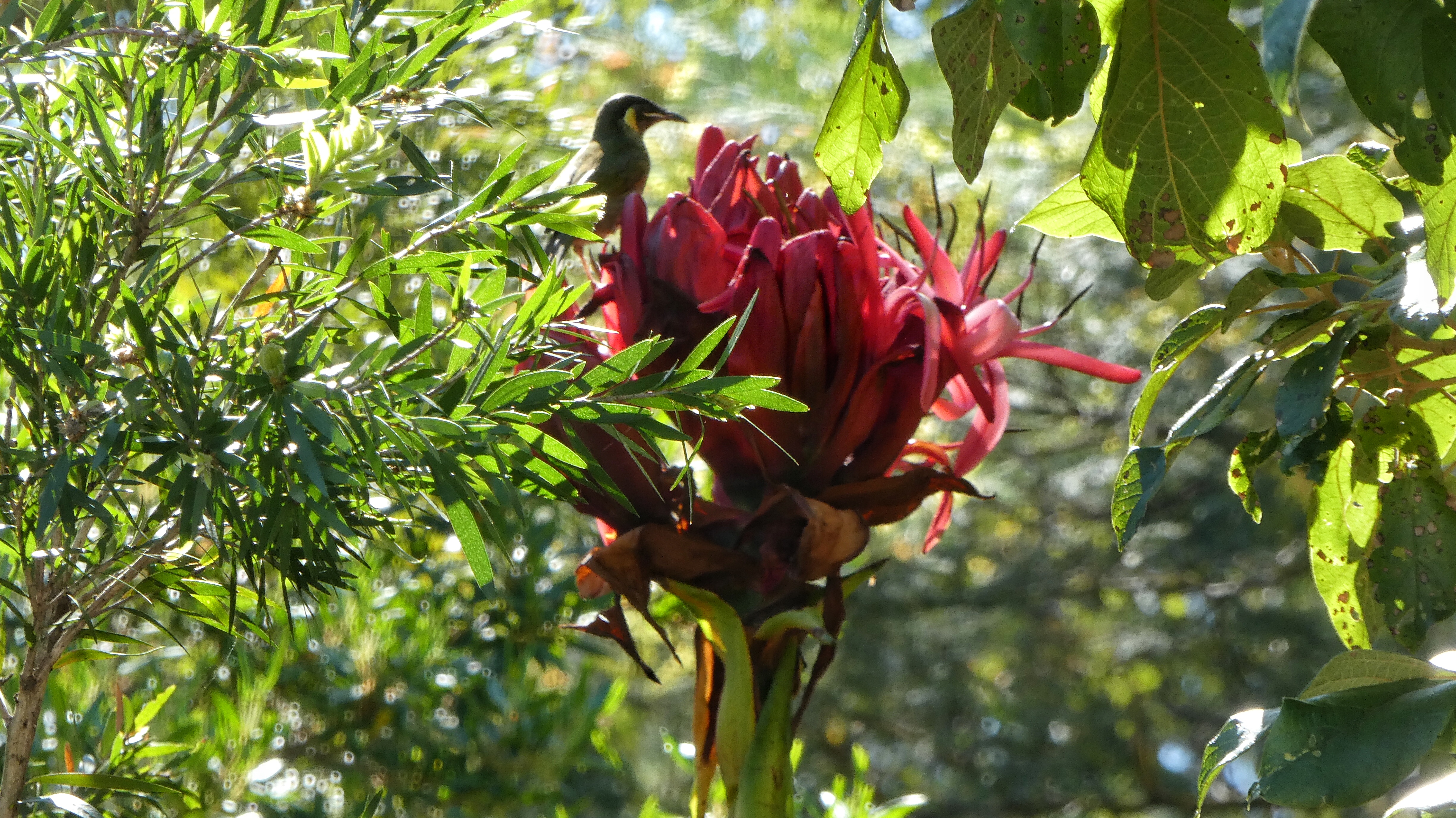
Eastern Spinebill and Gymea Lily

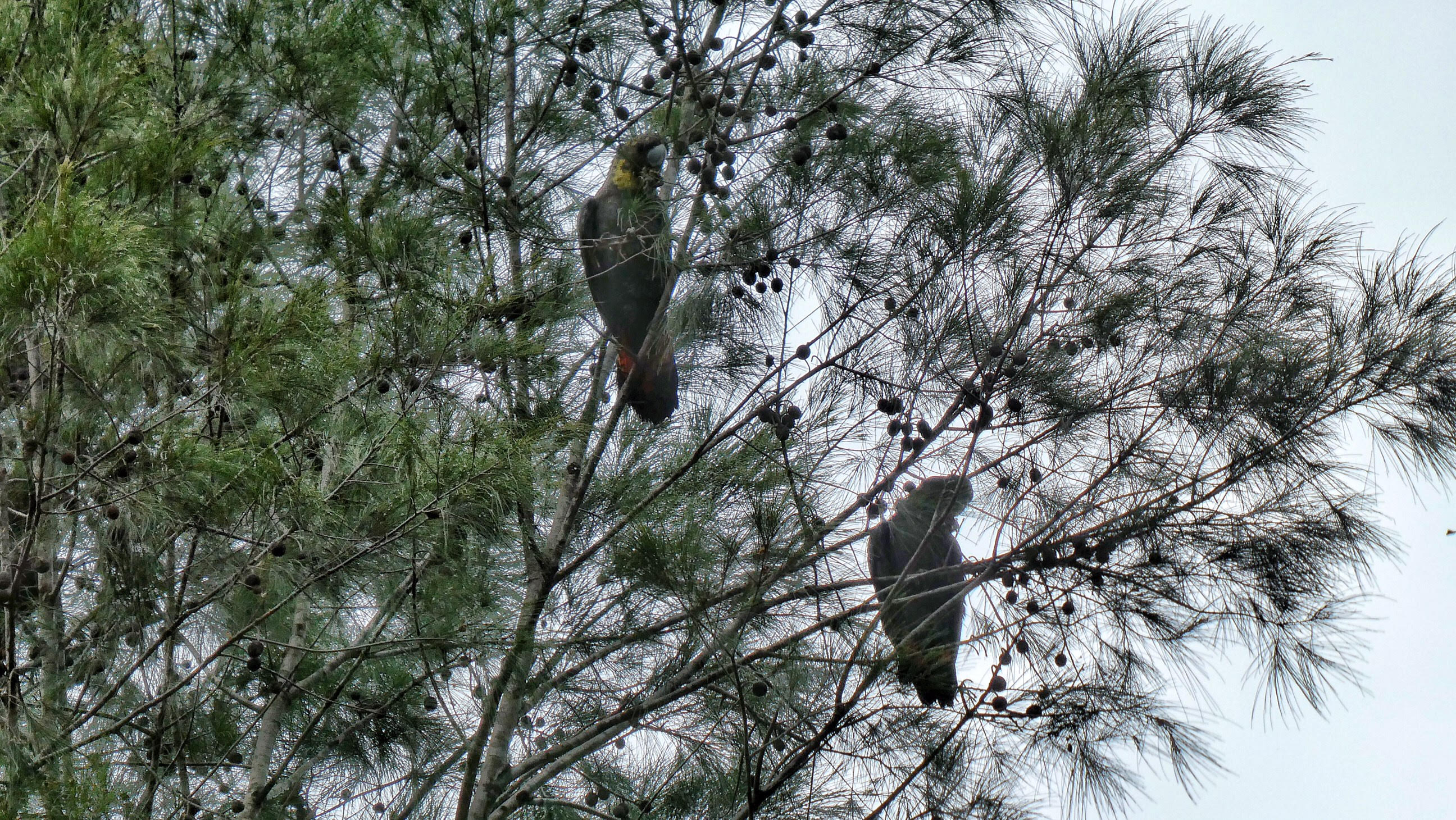
The sun moves on, and the day is subdued in the noonday heat. Afternoon reaches for evening and at four o’clock, and as if to schedule, a flight of yellow-tailed black cockatoos cruise in, squarking to each other as they settle into the banksias and casuarinas for a feed. Drongos chuckle and chatter, gamboling and chasing each other through the trees, carrying on like, well, drongos, as they take turns to swoop into the dam for a dip.

Then it is beer o’clock, and as we are sitting here, we hear some serous catbird courting. She’s way down in the valley below, and he, up on the spur, and they’re calling to each other like some Forest Cathie and Heathcliff. Over the next hour, they draw closer and closer together, her call becoming louder and louder, his keener and keener, their calls converging in the forest to our right. And maybe, soon, catbird kittens?

Changeover is upon us, that magical interlude when daytime segues into night-tide and the sounds of daylight and darkness meet, mingle and separate as the one melts and the other flows. Twilight approaches, and there is a flurry of argument and scuffling as birds grab their last snacks and hassle and hustle each other as they retire to their roosts. Mobs of kookaburras squawk like David Bowie’s monkey birds. But the night-tide hunters stir in silence, and tawnies, boobooks and powerful owls depart their shady day-time perches.

And then it is frog time. The generator frog heralds the changeover from day to night. Next, the bleaters start up, followed by the ding dings, the bonk bonks, barkers, and bubble wraps, wark warks and wot wots, and the rubber duckies. And among them, little Peronii, the frog who drops down from the foliage of overhanging trees as the air cools. The music of the night!  We are waiting for the flying foxes to cross the evening sky for the silky oak nectar, and soon they will be slurping and chirping. The fireflies are ascending from the moist gullies, and for a brief time, bob like wandering bands of fairies through the forest that surrounds us; and the mozzies have begun to nip our ankles as we watch he show.

And did I mention the snakes? They’re waking early with these unseasonable Septembers. There’s one that set up home on the veggie garden on the lookout for little meals on legs …

Ah! The country life!

Carpet Python

See below for a picture gallery of our wild friends and neighbours …

Glossy Black Cockatoo

See also: Small Stories – A Tale of Twin Pines and Small Stories – the schools of the Tarkeeth  and Loosing Earth – Tarkeeth and other matters environmental

Postscript – About Bellingen

We  in Bellingen Shire, some ten kilometres west of the seaside town of Urunga on the mid north coast of New South Wales. The forest lies between the Bellinger and Kalang Rivers, and these are connected tidally to the ocean at Urunga – the only place in Australia where two rivers meet the ocean together. The forest rises from the rivers on either side of the Fernmount Range, the easternmost extension of the Great Dividing Range that spans the eastern edge of our island continent. Above and between the two rivers, it is a rain-harvesting, filtration and stabilization ecosystem vital to the waterways and wetlands around them, and is a habitat for bird, reptilian, mammalian and marsupial wildlife, including koalas, wallabies, echidnas, quolls, goannas, owls, fruit doves and cockatoos. The east-west Fernmount Range Trail is an ancient highway called the Yildaan Dreaming Track. It led from the plains beyond the Dorrigo massif to what is now the seaside town of Urunga, known then to the Gumbaynggirr people as a “place of plenty”. The first people would descend the spurs on the north and south flanks of the range to fishing and ceremonies on the riverside. The Tarkeeth Forest therefore contains areas of significant indigenous culture, recalling song lines and stories of the Dreamtime, places of ceremony, of birth and burial, and of atrocity.

We have been visiting Bellingen Shire for the last thirty years, and moved a house onto our bush block over twenty years ago. in the Bellinger Valley on the Mid North Coast of New South Wales. Bellingen is well known as a picturesque, well-preserved (founded in 1870) country town. In former times, it was the centre of a thriving dairy and timber industry, and in more recent times, as a popular tourist transit between the university city of Armidale and the country music capital of Tamworth to the west, and the Pacific “holiday coast” of Coffs Harbour, Sawtell, Urunga, and Nambucca Heads, with their sand, surf and sun.

Between the two is the Great Dividing Range, the rolling, high country escarpment of the New England Plateau with its gorges and waterfalls, and the world-heritage Dorrigo National Park with it timeless, untouched rainforests – a “land that time forgot”. And linking them all, the old trunk road, aptly if touristically named Waterfall Way.

Bellingen is popular for its cafes and coffee shops, craft industries and shops, music festivals, and federation facades. It’s visual appeal, and it’s bucolic rural environs have seen the town used on many occasions as a film location. In the seventies, it was a Mecca for young people seeking an alternative lifestyle. The hills thereabout are still scattered with cooperatives and communes, or, in local council-speak, multiple occupancy. In those days, no love was lost between the “hippies” and the farmers and loggers, and politics were dominated by the rural, conservative “born to rule” National and Country Party. Nowadays, it’s heir, the National Party still dominates the political scene, but its clear majorities decrease election by election, and by the turn of the century, there may no longer be a National Party member. But demographics do change, as does society. The hippies’ children and the farmers kids grew up together, attended the high school together, played, partied, and paired, and now, there are grand children and great grandchildren.

As the timber and dairy industry has declined, Bellingen’s economy has changed. Once exclusively agrarian – including a time as one of the prime producers of cannabis sativa – tourism plays a a vital role,  Bellingen advertises itself to visitors and to present and future residents as a clean, green and sustainable shire. Nature’s wonderland, from its golden beaches to its mountain rainforests and waterfalls. Tourist Heaven with a cornucopia of recreational activities for young and old. Lazy bathing and picnicking to energetic rambling and trecking, camping and climbing, canoeing and fishing. Cultural mecca with its cafes, live music,craft and artisan shops, and music festivals.

Two years ago, the online magazine Traveller published a breathless paean to “the bohemian town that is heaven on earth’. Happy traveller Sheriden Rhodes wrote: Some places are so beautiful; it feels like holy ground. For me, Bellingen has always had that consecrated feeling. It’s obvious, given the name the early pioneers gave the Promised Land, a scenic 10 minute-drive from Bellingen’s township itself. Here the land is so abundantly verdant and fruitful; it literally drips with milk and honey. It’s a place so special the fortunate locals that call it home, including its most famous residents George Negus and David Helfgott would much rather keep all to themselves”.

This is the spin. The reality is somewhat different. Bellingen and the “Holiday Coast” generally have seen a large influx of city folk seeking a different lifestyle for themselves and their children, and also of retirees seeking rural or seaside tranquility -in such numbers that Coffs Harbour and its seaside satellites have become in many ways the Costa Geriatrica.

Many newcomers are not fully aware that the Coffs Coast generally is one of the poorest areas of rural New South Wales. Statistics for youth unemployment and senior poverty are among  the highest in the state with all the attendant economic, social and psychological impacts as evidence in high rates of depression, domestic violence and substance abuse. Health and transport services outside the urban centres are  pretty poor. But on the right side of  the ledger, despite the environmental degradation of clear-felling, land-clearing, flammable, monoculture, woodchip-bound eucalyptus plantations that encircle Bellingen, a potential fire bomb primed to explode during one of our scorching, hot dry summers, the generational degradation of the Bellinger’s banks and the graveling up of its once deep depths, and the encroachment and expansion of water-hungry, pesticide and herbicide reliant blueberry farms, we in the Shire are indeed blessed by Mother Nature.

The coastline boasts magnicent headlands and promontories, and long, pristine and often deserted beaches. The World Heritage Gondwana rainforests are a national treasure, and surrounding national parks truly are a natural wonderland. We never tire of the drive from Urunga to Armidale via Waterfall Way, as it crosses the Great Dividing Range and the New England Plateau. The Kalang River as it flows beside South Arm Road and between the Tarkeeth and Newry State Forests is itself one of the Shire’s hidden and largely unvisited secrets, a haven for fishermen, canoeist and all who love mucking about in boats.

Compared to many places on this planet, we’ve really not much to complain about …


For other posts in our Small Stories series of ordinary folk doing extraordinary things, see: The Odyssey of Assid Corban, the story of a Lebanese migrant to New Zealand, and The Monarch of the Sea, the rollicking tale of an unlikely “pirate king”.

twilight

Eastern Spinebill

spinebill

Oreole

bleater

sleepy time time

Wompoo Fruit Dove

Trial and Tribulation – Radio 2bbb’s Tarkeeth interviews

People crushed by laws, have no hope but to evade power. If the laws are their enemies, they will be enemies to the law.  Edmund Burke

The protest against the aggressive and toxic nature of Forestry Corporation’s clearfell, burn and poison forestry operation at Tarkeeth State Forest has been ongoing for over a year. The protest campaign kicked off in March 2016 with meetings and rallies, followed by the establishment of a protest camp in June, and direct action by forest protectors in July.

In January 2017, the Tarkeeth Three, Peter “Simmo” Simmonds, John “Sean” May, and Amber “AJ” Daley were convicted at Coffs Harbour Courthouse for their direct actions to protect The Tarkeeth. Sean and AJ appealed their convictions, and these were quashed in March. Simmo, a dedicated and veteran environmentalist, did not appeal his conviction because he had breached an earlier bond in relation to his direct action against coal seam gas operations at Narrabri, when he locked on at Tarkeeth. Thus did the Tarkeeth Three become the Tarkeeth Two. Simmo has since been acquitted of breaching the Narrabri bond.

As forest protector and protest leader Susan Weil said after the January trial, the outcome of the court proceedings:“allows people around Australia to not panic, and to not be scared to go out and protest for the environmental issues and social issues that matter to them”.

The following article features two interviews broadcast by Bellingen’s community radio 2bbb, with respect to these direct forest actions and the subsequent court proceedings. There are also live videos of the locks-ons, and links to media coverage.


Bellingen barrister John Carty, Counsel for the appellants, talked with 2bbb radio host Leo Bradney-George about the trial of the Tarkeeth Three, and particularly, the acquittal of the Tarkeeth Two at Coffs Harbour Courthouse on 2nd March 2017.
John Carty explains how Forestry Corporation had acted in a “disingenuous and opportunist” manner.


Prior to the Tarkeeth Three trial on 18th January 2017, forest protector Sean talked with 2bbb radio host Leo Bradney-George about Tarkeeth Forest and its defenders.


Greens MLC Jeremy Buckingham’s live coverage of Simmo’s lock-on at Tarkeeth on 25th July 2016:

Protest leader Susan Weil’s live coverage of the Not In My Forest action group’s onsite protest at Tarkeeth State Forest on 28th July 2016, where Sean and AJ locked on to a timber harvester machine:


A short video of the destructive clearfell and burn forestry operations that inspired the Tarkeeth Three to direct action:


Further reading …

  • Tales of Tarkeeth – other stories in this blog about Tarkeeth’s past and present.

A selection of local media coverage of the Tarkeeth Three:


Tolkien’s Tarkeeth – In the Darkest Depths of Mordor

‘Twas was in the darkest depths of Mordor, I met a girl so fair, ’til Gollum and the evil  one crept up and slipped away with her, her, her…yeah!   Led Zepellin, Ramble On

And the embers of Eden burn. You can even see it from space.  Bruce Cockburn

In September 2016, as the Tarkeeth drama unfolded, I published Tolkien”s Tarkeeth – Images of Isengard. The aggressive forestry harvesting practices employed by Forestry Corporation New South Wales conjured up images of the sorcerer Saruman’s devastation of the forests of Isengard.

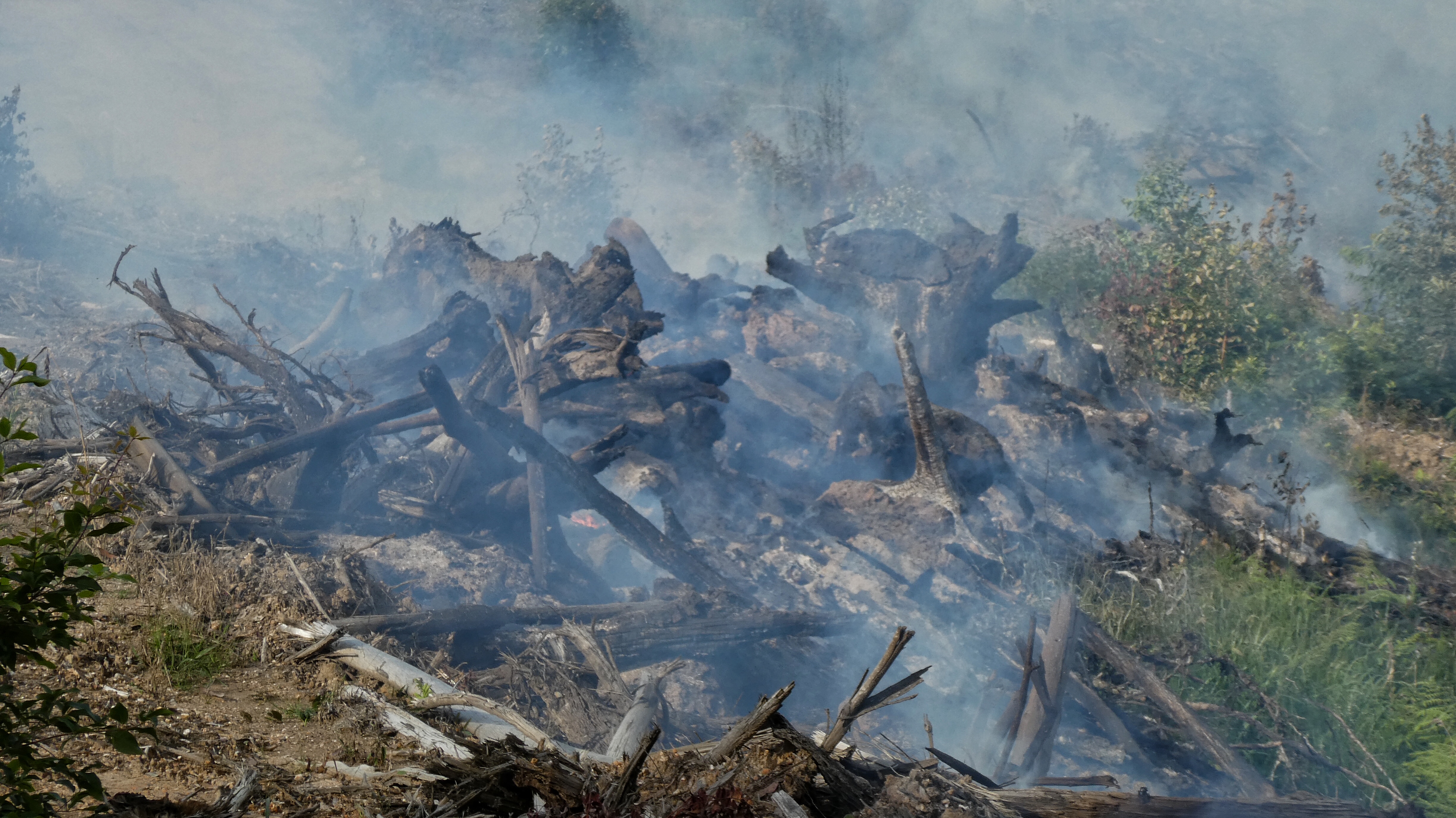
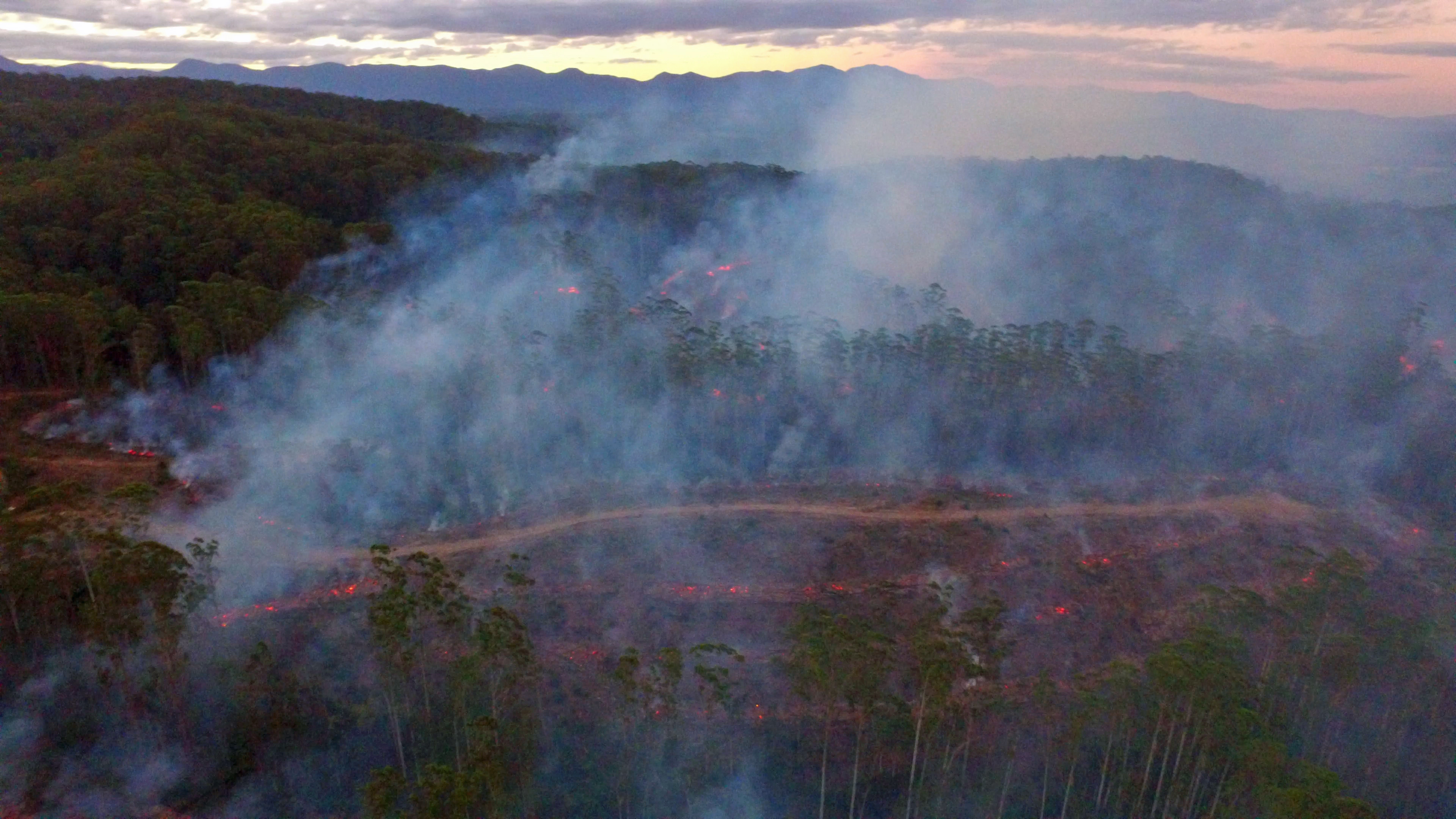
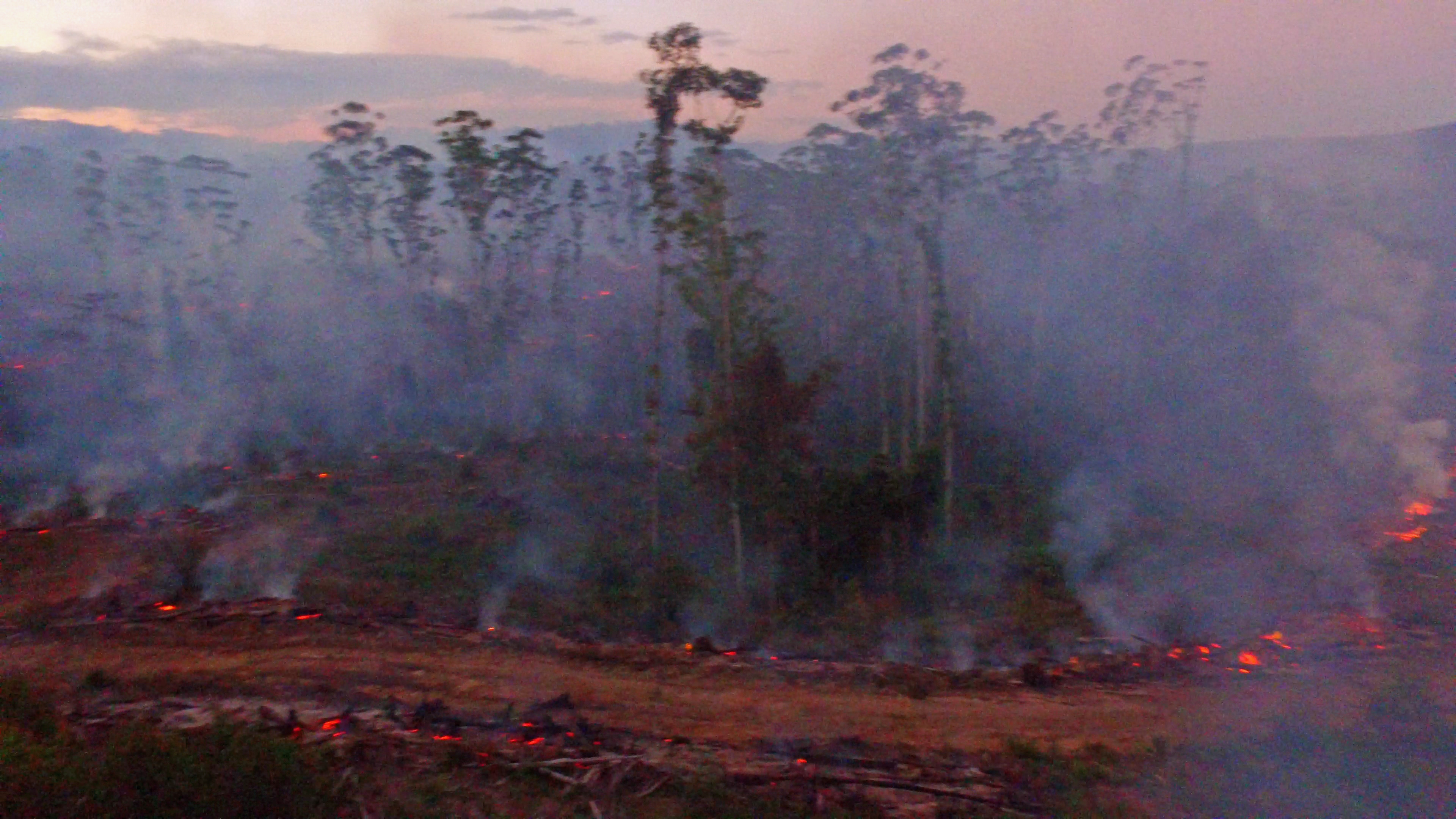
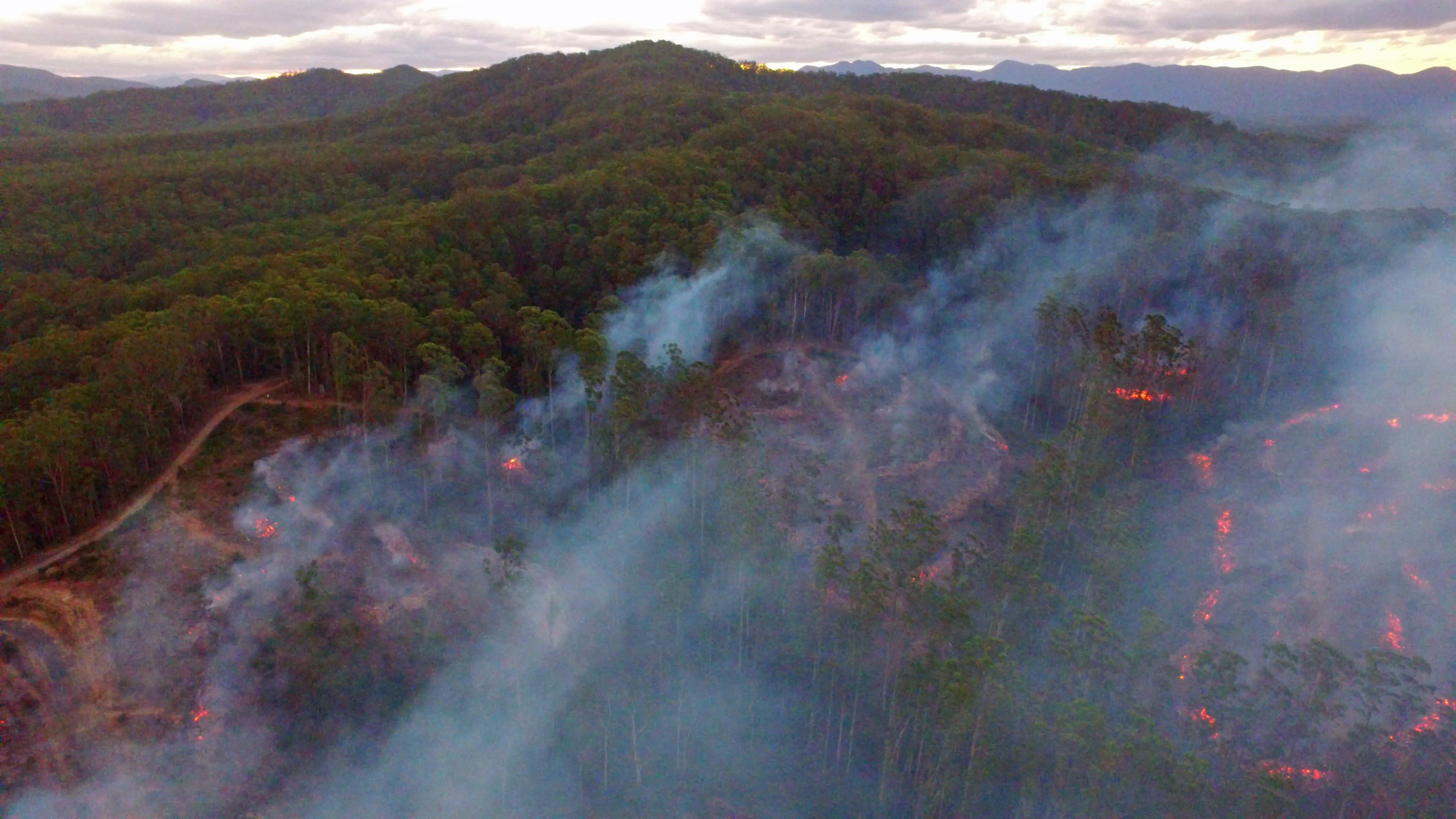
On Tuesday 11th April 2017,  Forestry Corporation  NSW set ablaze the debris left over from its clear-felling. That evening, Gwaihir, the Lord of the Eagles, flew over the burning hills of Bellingen Shire. This is what he saw:

Here is what the local newspaper reported:

https://www.coffscoastadvocate.com.au/news/like-a-scene-from-a-doomsday-sci-fi-movie-flames-b/3169934/

That November, FCNSW set the northside of the Fernmount Range escarpment ablaze in that they describe as routine hazard reduction to enhance our safety from bushfires. Forest defenders called it the Inferno.

https://m.facebook.com/groups/656451855903800/permalink/837814767767507/

And here is what I wrote the previous September:

JRR had never heard of the Tarkeeth Forest, but if he had, I am certain he would have had some harsh words for the clear-felling and burning big that is razing our forest even as I write.

In 1962, he wrote:

“Every tree has its enemy, few have an advocate. In all my works I take the part of trees against all their enemies”.

In 1972, just over a year before his death, he wrote:

“Dear Sir,

With reference to the Daily Telegraph of June 29th, I feel that it is unfair to use my name as an adjective qualifying ‘gloom’, especially in a context dealing with trees. In all my works I take the part of trees as against all their enemies. Lothlorien is beautiful because there the trees were loved; elsewhere forests are represented as awakening to consciousness of themselves. The Old Forest was hostile to two legged creatures because of the memory of many injuries. Fangorn Forest was old and beautiful, but at the time of the story tense with hostility because it was threatened by a machine-loving enemy. Mirkwood had fallen under the domination of a Power that hated all living things but was restored to beauty and became Greenwood the Great before the end of the story.

It would be unfair to compare the Forestry Commission with Sauron because as you observe it is capable of repentance; but nothing it has done that is stupid compares with the destruction, torture and murder of trees perpetrated by private individuals and minor official bodies. The savage sound of the electric saw is never silent wherever trees are still found growing.”

JRR Tolkien Letters 241 and 339

Yes, he really did say “Forestry Commission” – an old British statutory authority that bears no relation to our own government-owned Forestry Corporation, but keep Sauron and also Saruman in mind as you read the following.

As I survey the desolation of the Tarkeeth, I remember the words of poets long-departed.

Thomas Hardy, in his poignantly uplifting ‘The Darkling Thrush’:

The land’s sharp features seemed to be
The Century’s corpse outleant,
His crypt the cloudy canopy,
The wind his death-lament.
The ancient pulse of germ and birth
Was shrunken hard and dry,
And every spirit upon earth
Seemed fervourless as I.

And TS Elliot, in ‘The Wasteland’, a title so prophetically apt when I view the impact of clear-felling on what was until barely a week ago was a diverse ecosystem that had prospered in a failed monoculture plantation (See: my post ‘If You Go Down To the Woods Today‘):

What are the roots that clutch, what branches grow
Out of this stony rubbish? Son of man,
You cannot say, or guess, for you know only
A heap of broken images, where the sun beats,
And the dead tree gives no shelter, the cricket no relief,
And the dry stone no sound of water.

And then, there’s Bruce…


The ricochet of Trump’s counter-revolution

From time to time, I republish articles by News Ltd commentators that I believe worth sharing with those who cannot scale the News paywall. This, by The Australian’s Editor at Large, Paul Kelly, is one of those.

In this piece, Kelly argues that to a certain degree, Donald Trump’s rise and rise was attributable to what he and other commentators and academics describe as a backlash in the wider electorate against identity and grievance politics.

“This election, beyond its madness, was about a clash of moral ­vision. Trump stood for three ­visions: economic protection against free trade, nationalism against internationalism, and cultural tradition against social liberalism”.

He quotes US academic Mark Lilla: “In recent years American liberalism has slipped into a kind of moral panic about racial, gender and sexual identity that has distorted liberalism’s message and prevented it from ­becoming a unifying force capable of governing. One of the many ­lessons of the recent presidential campaign and its repugnant outcome is that the age of identity ­liberalism must be brought to an end”.

American voters were “disaffected with the liberal message”. He said: “Democrats have simply lost the country. They have lost the capacity to speak to the vast middle of America, an America that is, in large part, white, very religious and not highly edu­cated… identity liberalism was about self-expression, not persuasion, and claimed that “it’s narcissistic, it’s isolating, it looks within”.

Identity politics segue into grievance politics and the cultivation of victimhood and the creation of laws, rules and processes that appear to allow victims to pursue and punish the people who have offended them. This vests victims with a superior moral standing, even social status. Once the victim culture prevails, notions of morality and decency are redefined. As its scope widens any established idea is vulnerable: in Australian this is manifested in the belief that male-female gender norms should be respected, that Australia Day should be kept as January 26, and that the British civilization heritage should be fundamental to the school curriculum.

Kelly quotes another US academic, Jonathon Haidt, who writes that identity and grievance politics are tied to the idea of “emotional reasoning” or, the elevation of emotion over reason. Its essence is: “I feel it, therefore it must be true.” Feelings are permitted to guide reality. “A claim that someone’s words are ‘offensive’ is not just an expression of one’s own subjective feeling of offendedness. It is, ­rather, a public charge that the speaker has done something ­objectively wrong. It is a demand that the speaker be punished by some authority for committing an offense”.

We are now seeing the backlash, Kelly concludes. First in The UK, with Br sit, then with the triumph of Trump, this year in Europe, perhaps, and sooner rather than later, here in Australia:

“It is futile to think the counter-revolution will not occur. The only issues are its leadership, its rationality and the extent of its conservative or reactionary populism. If Prime Minister Malcolm Turnbull, as Coalition leader, feels this is not his responsibility then the vacuum will be ­occupied by others. As the two-generations-long campaign in the West for individual human rights reaches its logical cultural conclusion in identity politics, the results are an increasingly fragmented society, the ­decline of a shared historical narrative and a distorted moral order that damages us all”.

are we witnessing just another swing of the values pendulum, the correcting of a temporary imbalance, or something more challenging, permanent, and in the long-term, dangerous?

Read on…

Donald Trump’s election a rejection of identity and grievance politics

Paul Kelly, The Weekend Australian, 28th January 2017

As Donald Trump’s new presidency surges across our politics, creating chaos and uncertainty, there is one element in his victory where most Australian politicians remain in ideological denial — the revolt against identity politics.
Trump, in effect, was given permission to win the election by the US progressive class despite his narcissism, his coarseness and his smashing of the orthodox bounds of political and policy behaviour.

In retrospect, the 2016 US election story is a grand joke — enough voters in Middle America decided to tolerate Trump’s juvenile viciousness because they felt the narcissism of prevailing closed-minded progressive ideology was no longer to be tolerated. In the end, the alternative was worse than Trump. Is this too difficult an idea to grasp?

During the Obama era the US underwent a cultural revolution. Fuelled by social activists on race, sex and gender issues and the ­decisive swing by younger people to social liberalism as a way of life, the Democratic Party embraced identity politics as a brand. It mirrored the values transformation that swept through many American institutions: the academy, media, arts, entertainment and much of the high income earning elite. But revolutions are only guaranteed to bring counter-­revolutions in their wake.

Barack Obama won two presidential elections enshrining iden­tity and minority politics at the heart of his campaign. But Obama is a unique historical figure. What works for him doesn’t work for other Democrats — witness Hillary Clinton. In 2016 minority politics failed to deliver. Its momentum has been checked, with American progressives sunk in an angry valley of rage.

Last year Clinton, after a long and often tortuous journey, embraced not a call to all, but a collection of separate identity groups, a pervasive agenda of political correctness and pledges to end discrimination for lesbian, gay, bisexual and transgender people. This testified to the US Supreme Court decision in favour of same-sex marriage, the injustices visited on African Americans, the voting power of minorities and their ­decisive capture of the soul of the Democratic Party. The problem for the Democrats is now obvious: managing the Obama legacy without the magic of Obama.

This election, beyond its madness, was about a clash of moral ­vision. Trump stood for three ­visions: economic protection against free trade, nationalism against internationalism, and cultural tradition against social liberalism. In Australia there has been immense coverage of Trump’s victory combined with denial of its full meaning. It is a historic failure of progressivism.

In his defining New York Times article of November 18, “The End of Identity Liberalism”, US professor of humanities Mark Lilla said the liberal orthodoxy that ­society should “celebrate” its differences was splendid as moral pedagogy “but disastrous as a foundation for democratic politics in an ideological age”.

Lilla said: “In recent years American liberalism has slipped into a kind of moral panic about racial, gender and sexual identity that has distorted liberalism’s message and prevented it from ­becoming a unifying force capable of governing. One of the many ­lessons of the recent presidential campaign and its repugnant outcome is that the age of identity ­liberalism must be brought to an end.”

Lilla, no fan of Trump, said Clinton’s “strategic mistake” was slipping into “the rhetoric of ­diversity, calling out explicitly to African-American, Latino, LGBT and women at every stop”. It ­became a bigger problem when, having decided to play group politics, she ignored the biggest group: white voters without college degrees. They punted for Trump and who can blame them?

After the result Lilla said American voters were “disaffected with the liberal message”. He said: “Democrats have simply lost the country. They have lost the capacity to speak to the vast middle of America, an America that is, in large part, white, very religious and not highly edu­cated.” He said identity liberalism was about self-expression, not persuasion, and claimed that “it’s narcissistic, it’s isolating, it looks within”.

The superficial lesson of the US election is that identity politics failed at the ballot box. That’s ­important. But what’s even more important — for the US and Australia — is that identity politics is bad in its essence, bad for nations, bad for societies and bad for peoples. Identity politics is a far bigger issue in the US than Australia but that does not gainsay this reality.

It goes to the flaw in progressive politics — its blindness to consequences of its policies. This is relevant in Australia given the Labor Party is fully pledged to identity politics as a tactic while for the Greens it is core ideology. The pent-up backlash, however, will come in this country probably sooner rather than later.

Trump, personally liberal in many ways, rode the tide of conservative moral revolt. It was wider and deeper than liberals ­expected because the rising progressive ethos touches virtually every aspect of US life. Progressives misjudged partly because they felt Trump condemned himself as a bigot, sexist and anti-­Muslim extremist.

The genius of Trump’s “make America great again” slogan was that it resonated at multiple levels — with people who saw their jobs and incomes were being eroded along with something even bigger: they felt the values of their America were being stolen, that they were losing their country.

Lilla joins that other brilliant American academic, Jonathan Haidt, professor of ethical leadership at New York University and author of The Righteous Mind, whose speeches over the past year are a tour de force in documenting and exposing the crisis in the US university system caused by iden­tity politics.

These speeches are reinforced by Haidt’s 2015 Atlantic magazine article, “The Coddling of the American Mind”, co-authored with constitutional lawyer Greg Lukianoff, that reveals the ­destructiveness of identity politics.

The key lies in its cultivation of victimhood and the creation of laws, rules and processes to allow victims to pursue and punish the people who have offended them. This vests victims with a superior moral standing, even social status, with the assumption such pro­cesses represent superior public policy and prove the compassion of institutions that embrace these norms.

The argument “I’m offended” is the ultimate card. Once these norms are accepted, it is unbeat­able. This thinking is spreading rapidly into Australian institutions and is embraced by authorities who don’t understand the consequences of what they are doing.

Any Australian politician will gain currency by standing for the victim, winning moral acclaim and usually votes. The great examples are rejecting the same-sex plebiscite because it would offend and hurt gays and lesbians, the insistence under section 18C that people have a right to be offended because of racial comments, and the right of LGBTI students to have the school norms redesigned on gender grounds for self-protection. The principle in each case is the same: the norms of the majority must surrender to the demands of the victimised minority.

Once the victim culture prevails, then notions of morality and decency are redefined. As its scope widens any established idea is vulnerable: that male-female gender norms should be respected, that Australia Day should be kept as January 26 or that the British civilisation heritage should be fundamental to the school curriculum.

While Haidt’s analysis is university-based, it is valuable ­because US universities are the most advanced outreach of iden­tity politics. He argues this transformation weakens the integrity of institutions and damages the precise people it is supposed to protect.

“What has been happening since the 1990s is there’s been a change — the most sacred thing at university is the victim,” Haidt says. “There are six groups of victims traditionally since the 1990s so mostly whenever there are big political blow-ups and controversies they tend to be around race ­issues, gender issues, or LGBT ­issues. Those are the big three. There are three other groups that tend to be sacred but there seems to be less controversy around Latinos, Native Americans and the disabled. The last two years have been extraordinary ­because there’s been a revolution in just two years with a seventh group, now Muslims, in the ­sacred category. You know you’re in the presence of sacredness when any little thing, any affront or insult, elicits a huge reaction.”

Haidt describes how the process works at American univer­sities: “The transition to a victimhood culture is one characterised by concern with status and sensitivity.” The self-declared victim looks to the new norms for satisfaction. “They bring it to the attention of the authorities,” Haidt says. “If something happens, you don’t deal with it yourself. You ­report it. You get the president of the university, the dean, some older person, some bureaucratic authority, to bring them in. To punish the person who did this. In such a culture you don’t emphasise your strengths, rather the ­aggrieved emphasise the repres­sion and their social marginalisation. The only way to gain status is not just to be a victim but to stand up for other victims.”

This is an accurate description of the ethos and operating rules of the Australian Human Rights Commission.

What are the consequences? Haidt says: “Professors are ­increasingly afraid of students. Everybody’s on the Left but they’re increasingly being hauled up for some charge of racism or sexism. Professors all over the country are pulling videos, pulling material. Undergrads are being exposed to far less provocative material in 2016 than they were even in 2014. Just in the last two years professors all over the country are changing their teaching.”

The origins of this cultural sickness are deep and pervasive. Lilla says: “The fixation on diversity in our schools and in the press has produced a generation of liberals and progressives narcissistically unaware of conditions outside their self-defined groups and indifferent to the task of reaching out to Americans in every walk of life.

“At a very young age our children are being encouraged to talk about their individual identities, even before they have them. By the time they reach college many assume that diversity discourse exhausts political discourse and have shockingly little to say about such perennial questions as class, war, the economy and the common good.

“In large part this is because of high-school curriculums, which anachronistically project the iden­tity politics of today back on to the past, creating a distorted picture of the major forces and individuals that shaped our country.”

Haidt says that children born after 1980 got a message: “Life is dangerous but adults will do everything in their power to protect you from harm.” He’s right. But he misses the sharper political point. For progressives, identity politics and victimhood are a wedge to delegitimise leaders and institutions that sustain any conservative status quo against the radical ­social changes they want. This has played out in the politics of both the US and Australia.

Identity politics should be seen in its historical context. It is one manifestation of the chaotic yet momentous embrace of populism on both the Left and Right, fanned by social media, the crisis of traditional values and the debasement of the notion of what is a virtuous person. Emotional self-expression, not piety, is the behaviour that is now rewarded.

Haidt says identity politics is tied to the idea of “emotional reasoning” — or, to be crude, the elevation of emotion over reason. Its essence is: “I feel it, therefore it must be true.” Feelings are permitted to guide reality. Lukianoff and Haidt say: “A claim that someone’s words are ‘offensive’ is not just an expression of one’s own subjective feeling of offendedness. It is, ­rather, a public charge that the speaker has done something ­objectively wrong. It is a demand that the speaker be punished by some authority for committing an offence.”

Emotional reasoning is now evidence; it is seen as illegitimate for an authority or a government to inflict mental or emotional damage on people who constitute a historically repressed minority; subjective evidence of the hurt is all that is required to make the case. Let’s be clear: emotions and claims of mental damage have ­become political weapons to be ruthlessly deployed. This is a core tactic of identity politics.

Bill Shorten, the Australian Leader of The Opposition, grasps this and has used it brilliantly. Shorten and most of his parliamentary frontbench were ­explicit in their rejection of the same-sex marriage plebiscite: it had to be rejected because of the emotional damage it would do. Shorten said the “No” campaign would be “an emotional torment for gay teenagers” and raised the possibility of suicide. Many mental health clinicians backed him.

These views must be challenged. How healthy was it for the LGBTI community to present ­itself to the Australian public as such entrenched victims that they were unable to sustain a national vote on the marriage issue? Are such individuals better off having embraced this position? Are they better prepared for future life when, in an imperfect world, they will face inevitable discrimination from time to time?

Moving to the central contradiction in identity politics — as rele­vant in Australia as it is in America — Lilla said: “It says, on the one hand, you can never understand me because you are not exactly the kind of person I’ve defined myself to be. And on the other hand, you must recognise me and feel for me.”

Rates of mental illness have been increasing rapidly in both the US and Australia among young people. This is a serious issue but it is being exploited in the cause of ideology. As Haidt says, if young people are taught, encouraged and rewarded “to nurture a kind of ­hypersensitivity” that does not ­assist their lives. On the contrary, this new moral culture advocated by the progressives results in “an atrophying of the ability to handle small interpersonal matters on one’s own” while at the same time “it creates a society of constant and intense moral conflict”.

Nobody doubts that hurt and offence are genuine and justified across every minority group. That is a fact. But it is not the issue. The issue is the institutional, political and legal response. Haidt argues that the cult of victimhood in law and process “causes a downward spiral of competitive victimhood” and the generation of a “vortex of grievance”. The further tragedy is that victimhood penetrates both sides of the political conflict: men branded as sexist by feminists claim to be victims of ­reverse ­sexism.

Progressives have been setting the cultural agenda in Australia just as they have done in the US: on same-sex marriage, LGBTI rights, gender fluidity programs, social and ideological agendas in schools, the campaign against ­religious freedom, winning more support for affirmative action, radicalising the proposed indigenous referendum, shifting multi­culturalism towards the “diversity” side of the spectrum and deploying anti-discrimination law as an ­instrument of radical social change.

It is futile to think the counter-revolution will not occur. The only issues are its leadership, its rationality and the extent of its conservative or reactionary populism. If Malcolm Turnbull, as Coalition leader, feels this is not his responsibility then the vacuum will be ­occupied by others.

As the two-generations-long campaign in the West for individual human rights reaches its logical cultural conclusion in identity politics, the results are an increasingly fragmented society, the ­decline of a shared historical narrative and a distorted moral order that damages us all.

That was the year that was – may you live in interesting times

As I contemplate my annual review of In That Howling Infinite, I am reminded, with clichéd predictability, of that well-worn Chinese curse: “may you live in interesting times”.

A torturous and seemingly endless US election campaign defied all the pundits by producing an colourful and unpredictable POTUS. In the UK, the unthinkable Brexit came to pass, dividing the polity and discombobulating the establishment. Next year is certainly going to be worth watching.

The slow and tragic death of Syria continued unabated with Russian and Turkey wading into the quagmire alongside Americans, British, French, Australians, Iran, Lebanon, Gulf tyrants, and Uncle Tom Cobley and all. Da’esh might be on the the ropes in Iraq, but the long term survival of the unitary state is doubtful. And the proxy wars of the Ottoman Succession have spread to Yemen, the poorest country in the Middle Eas as Gulf tyrants face off against Shia Iran’s alleged puppets, and, armed and abetted by British and American weaponry, South American mercenaries, and Australian officers, bomb the shit out of the place.

Whilst the grim reaper scythed through the world from Baghdad to Berlin, from Aleppo to Ankara, the Year saw the passing of a record number of icons of the seventies and eighties, two of whom who have provided a continuing soundtrack for my life, Leonard Cohen and David Bowie. We shall not see the like of them again.

In our little corner of the cosmos, we endured the longest and most boring election campaign in living memory, resulting in an outcome that only accentuates Australians’ disenchantment with a lacklustre Tory government, a depressingly dysfunctional political system, and politicians of all stripes who, blinkered by short-termism, and devoid of vision, insist on fiddling whilst the antipodean Roman burns.

Meanwhile, in our own rustic backyard, we find that we too are “going up against chaos”, to quote that wonderful Canadian songster Bruce Cockburn. For much of the year, we have been engaged in combat with the Forestry Corporation of New South Wales as it proceeds to lay waste to the state forest that surrounds us. As the year draws to a close, our adversary has withdrawn with only half of its proposed harvest completed. But it will return in 2017, and the struggle will continue – as it will throughout the state and indeed the nation as timber, coal and gas corporations, empowered by legislation, trash the common treasury with the assent of our many governments.

And yet, life on the farm remains pleasant and delightful, though dams are low and rain would be most welcome. The bird and reptilian life continues to amaze us, and an ironic corollary to the clear felling of the Tarkeeth Forest is that “refugees” are seeking shelter here. Wallabies rarely seen on our land are now quite common, whilst echidnas, and, we suspect, endangered spotted quolls have been sighted hereabouts

We took time out mid-year to revisit Israel and Palestine, and road-trip through the two countries was much an education as a holiday. We certainly got our history and archeology fix, and in travelling through the Golan and the Negev, we found respite in a stunning natural environment. But the answers to our many political questions merely threw up more questions. We have unfinished business in this divine but divided land, and will return.

In That Howling Infinite addressed all these concerns during 2016, and matters more eclectic and exotic.

And so, to the year in review:

The new year commenced with a reprise of our memorable journey to Hadrians Wall, and of the Victorian lawyer who helped preserve it for posterity, the saga of the viking Harald Hardraga and also, my subjective overview of world history. In a more lighthearted vein, I indulged in an unscholarly discussion of how film and fiction have portrayed or distorted history, and in a review of Mary Beard’s superlative history of Rome, I asked the immortal question “what have the Romans done for us?”

The Life of Brian

In April, in response to a discussion with a Facebook friend in Oklahoma, I wrote a trilogy of exotically-titled posts examining the nature of rebellion, revolution, and repression: Thermidorian ThinkingSolitudinem Faciunt Pacem Appellant, and Sic Semper TyrannisThe origin of these Latin aphorisms is explained, by the way, in the aforementioned Roman review.

Nightwatch

Our travels through Israel and Palestine inspired numerous real-time posts, and a several retrospectives as we contemplated what we had experienced during what was as much an educational tour as a holiday. Historical vignettes included a tribute to bad-boy and builder King Herod the Great, a brief history of the famous Damascus Gate, and its place in Palestinian national consciousness, and a contemplation on the story of King David’s Citadel which overlooked our home-away-from home, the New Imperial Hotel. Thorny contemporary issues were covered with an optimistic piece on the Jerusalem Light Rail, a brief if controversial post about  Jewish settlers in the Old City, the story of Israel’s ‘Eastern’ Jews, the Mizrahim, and what appears to be a potentially problematic Palestinian property boom. Th e-magazine Muftah published an article I wrote about the conflicting claims to the city of Hebron. And finally, there is a poem recalling our visit to the Shrine of Remembrance at Yad Vashem and honouring the Righteous Gentiles who saved thousand of Jewish lives during the Shoah.

Carnivale

Wintertime passed with our minds on the Tarkeeth Forest. I had the pleasure discovering the history of our locality, and connecting via Facebook with the relatives of the Fells family of Twin Pines. But the latter half of the year was very much taken up with enduring and bearing witness to the clear- felling of the forest to our east. “If you go down to the woods today, you’re in for a big surprise.  If you go down to the woods today, you’ll never believe your eyes”. And you’d ask “what would JRR Tolkien have thought?”

Nothing quite prepares you for the devastation of clear felling. Joby, a Gumbaynggirr elder, surveys the Tarkeeth

The UK And US paroxysms fascinated and exasperated the mainstream and social media in equal measure, whilst the outcome of the Brexit referendum and the presidential election has initiated an a veritable orgy of punditry. Never have so many column inches and kilobytes been spent on loud sounding nothings as the sifting through the entrails of such events as Brexit, the US election, and the Australian senate! With half a dozen elections coming up in Europe, Trump’s inauguration and the triggering of Article 50 to take Britain out the European Union, we’re gonna have to endure a lot more. I confined my posts to two insightful pieces by respected right-wing Australian commentators, Paul Kelly’s Living in Interesting Times, and Greg Sheridan’s The Loss of American Virtue, and my own reflection on the right-wing media’s strange fascination with “insiders” and “outsiders”.

Finally, in comparison to last year, this year was very light on music and poetry. But American satirist Tom Lehrer got a retrospective, and murdered Pakistani qawwali singer Madhaf Sabri, an obituary, whilst an abridged and vernacular version of John Milton’s Paradise Lost told the tale of Lilith, the first and greatest femme fatale. In the words of the gloriously-named jockey Rueben Bedford Walker III says in EC Morgan’s magnificent The Sport of Kings, the subject of my first post for 2017, “Malt does more than Milton can to justify God’s ways to man”.

On that wise note,  I wish the world a Happy New Year – and may it be less interesting than this one.

In That Howling Infinite  is now on FaceBook. Check it out.  And just for the fun of it, here’s my review of 2015.

The Sabri Brothers

Dore Luciifer

Tolkien’s Tarkeeth – Images of Isengard

JRR had never heard of the Tarkeeth Forest, but if he had, I am certain he would have had some harsh words for the clear-felling that is razing our forest even as I write.

In 1962, he wrote:

“Every tree has its enemy, few have an advocate. In all my works I take the part of trees against all their enemies”.

In 1972, just over a year before his death, he wrote:

“Dear Sir,

With reference to the Daily Telegraph of June 29th, I feel that it is unfair to use my name as an adjective qualifying ‘gloom’, especially in a context dealing with trees. In all my works I take the part of trees as against all their enemies. Lothlorien is beautiful because there the trees were loved; elsewhere forests are represented as awakening to consciousness of themselves. The Old Forest was hostile to two legged creatures because of the memory of many injuries. Fangorn Forest was old and beautiful, but at the time of the story tense with hostility because it was threatened by a machine-loving enemy. Mirkwood had fallen under the domination of a Power that hated all living things but was restored to beauty and became Greenwood the Great before the end of the story.

It would be unfair to compare the Forestry Commission with Sauron because as you observe it is capable of repentance; but nothing it has done that is stupid compares with the destruction, torture and murder of trees perpetrated by private individuals and minor official bodies. The savage sound of the electric saw is never silent wherever trees are still found growing.”

( JRR Tolkien Letters 241 and 339)

Yes, he really did say “Forestry Commission” – an old British statutory authority that bears no relation to our own government-owned Forestry Corporation, but keep Sauron and also Saruman in mind as you read the following.

Images of Isengard

Images of Isengard

As I survey the desolation of the Tarkeeth, I remember the words of poets long-departed.

Thomas Hardy, in his poignantly uplifting ‘The Darkling Thrush’:

The land’s sharp features seemed to be
The Century’s corpse outleant,
His crypt the cloudy canopy,
The wind his death-lament.
The ancient pulse of germ and birth
Was shrunken hard and dry,
And every spirit upon earth
Seemed fervourless as I.

And TS Elliot, in ‘The Wasteland’, a title so prophetically apt when I view the impact of clear-felling on what was until barely a week ago was a diverse ecosystem that had prospered in a failed monoculture plantation (See: my post ‘If You Go Down To the Woods Today):

What are the roots that clutch, what branches grow
Out of this stony rubbish? Son of man,
You cannot say, or guess, for you know only
A heap of broken images, where the sun beats,
And the dead tree gives no shelter, the cricket no relief,
And the dry stone no sound of water.

Tarkeeth Burning

Tarkeeth Burning

In posts to this blog, I endeavour as much as I can to maintain balance, and to avoid overly partisan positions. Today, please forgive me as I break my rule, and reproduce an open letter to the people of Bellingen Shire, the place I call my home, by local farmer, counsellor, forest protector, and mother, Susan Weil. It is a detailed but succinct explanation of what is happening right now in the Tarkeeth Forest.

Read on…

Tarkeeth morning, And Tarkeeth evening. What a difference a day makes

Tarkeeth morning, Tarkeeth evening
What a difference a day makes

The Birds are screaming!  Listen!

Tarkeeth Forest – Wrong Method, Wrong Place

There are consistent misconceptions in our community about the Tarkeeth State Forest. One of them is that we (forest community & concerned peoples) don’t want a single tree cut down (a bit silly for anyone to claim this given our appetite for timber products) and that we are making a big fuss about a plantation whose sole purpose for being there is to provide a consistent supply of quality hardwood products for our community, generating jobs and boosting our local economy.

Some facts: There are between two to three harvesting machines on site ( that translates to three employees) the rest of the jobs are for the haulage truck drivers and a few onsite operation managers. If we are talking about jobs perhaps we should be asking many of the out of work loggers that have been here for generations, many of whom would consider themselves conservationists. Perhaps if we have a conversation with any of these men they would take pride in telling you how well they managed our forests for many years prior to mechanisation and without the environmental fallout associated with clear felling.

They logged selectively and if they did their job properly their methodology would actually help stimulate forest re growth, preserve habitat and support forest diversity. None of these men are being employed by forestry, in fact many of them have been replaced by mechanised corporations like forestry and their livelihoods have been made redundant. So if you’re jumping up and down about job security perhaps you’re just talking about haulage drivers and a small handful of operators not the actual loggers themselves, because I can assure you their not benefitting from clear felling. In fact if we stop clear felling and work with best practise which is selective logging and revert back to more traditional methods then our haulage contractors would be employed far more regularly and consistently then they are currently.

If you’re talking about good quality timber, again you’re mistaken, the majority of all of these forests are flooded gum and as such there will be no profits made from this project. Forestry corporation have admitted that our “Jewel in the crown” as they keep referring to our valley is going to be an assett to them in 40 years time, thats an asset for them not us.

Forestry is currently clear felling the Tarkeeth, Kallang, Tuckers Nob, Newry and Pine creek. That’s a massive cumulative effect of aggressive clear felling in a small valley that sits between the Bellingen river, the Kalang and the Never Never Rivers. You don’t need a science degree to understand the effect that cumulative clear felling will have on our waterways and environment long term as the near extinction of our river turtles showed last year.

I’m hard pressed to find a boost to our local economy (Bellingen itself) bar a few employees for a limited period of time. This operation will end in a few years and provide minimal employment for another 40-50 years. Responsibly managed, selective logging would provide far more jobs far more consistently for this community.

In theory, plantations are an excellent idea in helping to preserve our native forests, but like all good theories in the wrong hands and with poor foundations it doesn’t always translate that well into reality. For instance, the current Plantations and Reafforestation Act 1999 was created by the very same governmnet that currently owns Forestry Corporation. The current Act allows Forestry Corporation to conduct their business with minimal community opposition and one has to wonder about the integrity of any business that can operate in whatever manner they choose without any accountability.

Forestry Corporation claims they have consulted closely with local residents to balance the needs of all stakeholders. The true translation of this means they sat down with the community and told them what they were going to do and ignored and rejected all of the residents requests that would impede their project. Thus grossly betraying the community consultation process. But it’s true they did consult with the community.

They told us they worked closely with the local indigenous community to balance their needs. Whilst I can’t and won’t speak for our indigenous community, suffice to say I think this has been grossly miscommunicated and very poorly managed on all fronts.

The Plantation and Reafforestation Act hasn’t been amended since 1999 (other then to change the name to a Corporation in 2012) and as such lacks current environmental and social standards that are being upheld in the private plantation act and native forest act, both of which are far more stringent in their assessment processes. Why hasn’t the Act been updated in 17 years to reflect current world views and environmental standards?

Forestry Corporations Plantation and Reafforestation Act works on a state wide minimum standard, which means that if there is a plantation in an area of high risk such as all of those found in Bellingen ( steep slopes and high rainfall) they do not have to make any special provisions for these deviations to the standard. They can continue to operate under the same standards regardless of the location. How can this be considered best practise?

One of these standard states a 20m buffer zone for riparian zones. This is hardly ample given the amount of chemicals they plan to use and our high rainfall and steep slopes. You don’t need to be a genius to do the math to see the shortfall and the consequences of that insufficient standard.

The harvest and haulage plan stipulates that Forestry Corporation will commence replanting their new seedlings between 12-18 mths after harvesting, now I’m a farmer, and no decent farmer would ever leave 128 hectares fallow with our heavy rainfall, it would be over run by a myriad of fast growing weeds hence their need to use a chemical cocktail of thousands of litres of glyphosate,metsulfurin, liase and pulse penetrant to manage the weed problem. If a methodology adopted creates another environmental problem such as this how can we accept this as best practise when clearly it is in breach of this? This happened in Gladstone State forest two years ago when as a result of the leaving the forest fallow in excess of 18 months they wanted to deal with the weed infestation (they created ) by aerial spraying. Have Forestry Corporation learned nothing from their previous mistakes? Yet the Tarkeeth harvest plans show no amendment to previous errors, which is obviously very concerning for us. Best practise would demand they replant immediately after harvesting thus mitigating the need for the use of any chemicals in the first place.

Forestry Corporation continues to talk about sustainability when it comes to their forest management plan, but in actual fact, they are only referring to the fact that they will be replacing the existing crop with another. That’s not sustainability that’s just called succession cropping. Sustainability should infer methodology.

One of the definitions of sustainability is “The endurance of systems and processes which includes the four interconnected domains: ecology, economics, politics and culture.”

Sustainability should relate to Forestry Corporations capacity to preserve and look after the environment (soils, habitat, wildlife, waterways and communities) to engage in meaningful dialogues with local community members and adopt their ideas and concerns into their plans, to provide long lasting and consistent employment for local community members and to show respect and care for indigenous sacred sites and artefacts.

Forestry Corporation should be using “best sustainable ” practises such as selective logging to minimise soil disturbance and erosion, to promote biodiversity within the forest and to do away with the need to manage weeds via chemical applications which would not be a problem if the earth were not disturbed in the first place.

Sustainability should include ongoing jobs for ethical logging practises and should include a meaningful dialogue with residents that provides outcomes for everyone’s interests not just the agenda of the corporation itself. We call that best practise.

According to the Forestry haulage and harvest plan they are replanting a chemical dependent monoculture plantation of Blackbutt (90%) and tallowood (10%). This is an interesting point. Forestry has claimed there were no koalas residing in this forest despite statutory declarations provided by residents sighting them and including an independent field study conducted by an ecologist for a Tarkeeth resident. Yet forestry plan to plant tallowood for the same koalas they believe aren’t there and then they plan to destroy the habitat and food source in 40 years.

A research study conducted by forestry commission stated that Tallowwood was slow growing and failed to thrive in this region that white mahogany and Black Butt were the preferred species. Given that, why would Forestry choose to plant this species given its poor performance and in doing so attract a threatened species only to have its habitat and food source removed? It doesn’t seem to add up, whichever way you look at it.

Under the inadequate Plantaction and Reafforestation Act Forestry Corporation can legally behave as corporate vandals, their not breaking any laws because they created a document to protect themselves from any community backlash. Why?

Well we now know the answer to all of our concerns. In 1999 when the Act was created on the back of an environmental push from activists to protect native forests and move towards plantations (a move we support) the government did not want to allow any room for communities and environmentalists to challenge or impede their business. They knew that a plantation if left for 40-50 years to mature would build its own ecosystem, that the native forest would compete and a native understory would develop attracting native wildlife making it hard to tell if indeed it was just a plantation or a diverse forest.

So, to ensure there was no opposition they created a guaranteed harvest plan, to ensure that nothing and no one could impede or prevent a harvest from being carried out. Hence the current Plantation and Reafforestation Act 1999. They created an Act that makes it impossible for anyone to legally challenge their methodologies or practises and it prevents them from being sued as the Act is so lax that it’s impossible to hold them accountable as their not breaking any laws. They wrote their own law.

As a community we have the right to say NO this is not okay, this is not best practise and this is not good for our town long term. We understand their running a business but we want them run it better. Is that unreasonable of us to ask for that?

As a community we have a right to protect our “Jewel in the Crown,” we are in fact protecting Gumbaynggirr land, always was always will be. I believe we can do so for the benefit of all the stakeholders involved. I don’t believe that we need to compromise for the sake of a Corporation that legally manages this land on OUR behalf and is not following best practise and is simply serving their own agenda.

This community would support a well run, responsibly managed selective logging business that balances the needs of all. Why would we not demand that they manage OUR land better? Why is this community squabbling over a plantation when what we are really talking about is ending clear felling and adopting better methodologies and best practise that allows us to have our cake and eat it too. What’s not to support here? Am I missing something ?

To remedy this situation we need accountability and responsible governance – but therein lies the root of this problem. To do that we need to change the laws and amend the Act. That is not an easy process in itself and to do that we need community support.

It’s easy to sit on the sidelines and commentate on this issue, it’s clearly divided opinions in our community and that’s always challenging to deal with. But for those whose lives are being directly impacted by this it’s hard to really understand the anxiety, sadness and fear they face on a daily basis. We rarely act on something unless it affects us directly, I guess that’s human nature but please try and have some compassion for the people who are dealing with this day in and day out as they watch a place they love and cherish being torn apart by a corporation that really doesn’t give a damn.

To feel powerless to affect change is a horrible place to live and whilst it’s easy to get caught up in the semantics of this campaign try and remember that people we care about are hurting over this. I don’t know if the community will ever see eye to eye on this for a myriad of reasons but I hope that within this process we can still hang on to our humanity and see beyond the story.

Susan Weil, Bellingen, 17th August 2016.

image

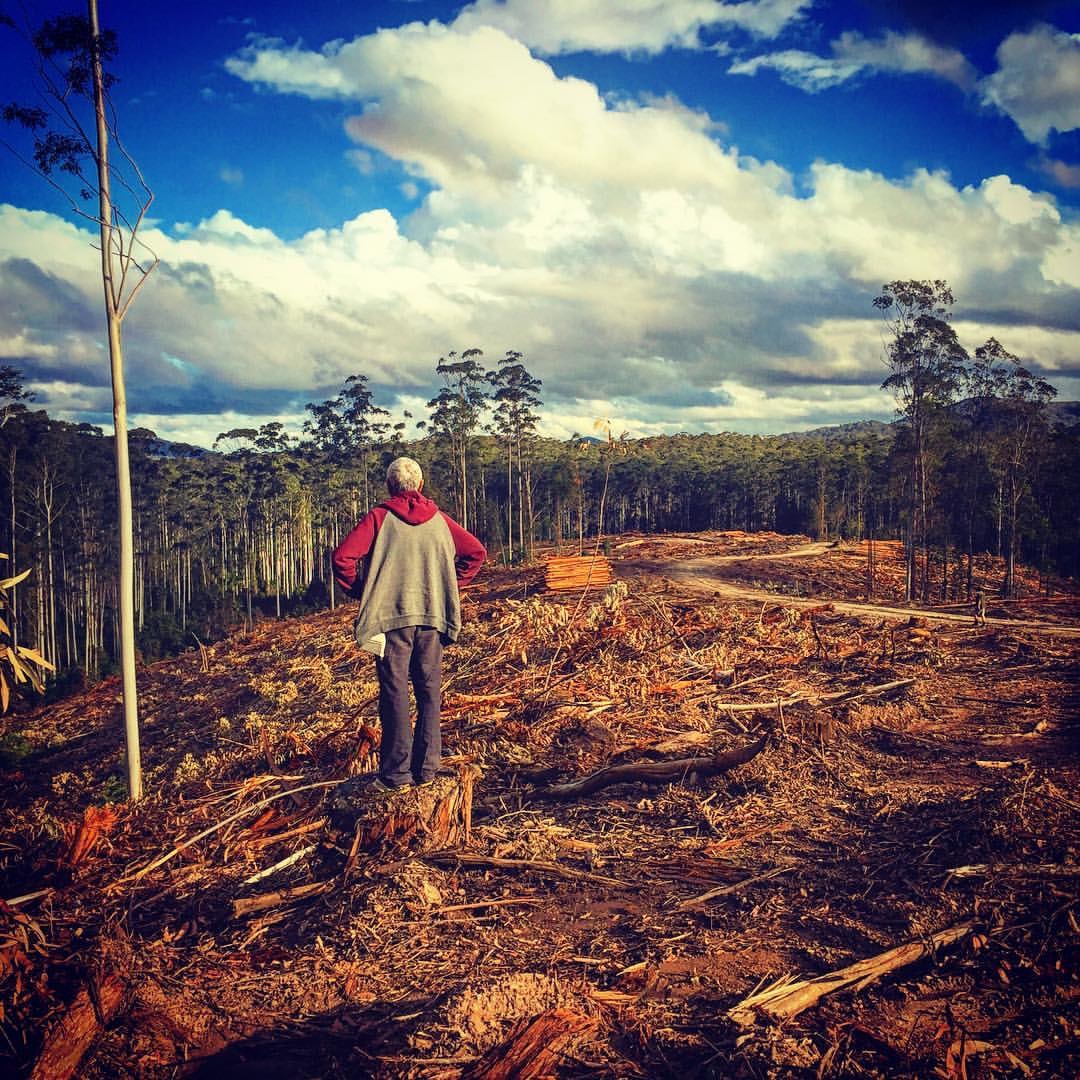
Nothing quite prepares you for the devastation of clear felling. Joby, a Gumbaynggirr elder, surveys the Tarkeeth

Nothing quite prepares you for the devastation of clear felling.                                                                 Joby, a Gumbaynggirr elder, surveys the Tarkeeth


If You Go Down to the Woods Today

We live in heart of the Tarkeeth Forest, some ten kilometers from the seaside town of Urunga on the mid north coast of New South Wales. The forest lies between the Bellinger and Kalang Rivers, and these are connected tidally to the ocean at Urunga – the only place in Australia where two rivers meet the ocean together. The forest rises from the rivers to to ride the Fernmount Range, the easternmost extension of the Great Dividing Range that spans the eastern edge of our island continent. Above and between the two rivers, it is a rain-harvesting, filtration and stabilization ecosystem vital to the rivers and to the wetlands around them, and is a habitat for bird, reptilian, mammalian and marsupial wildlife, including koalas, quolls. wallabies, echidnas, goannas, owls, fruit doves, and cockatoos. The east-west Fernmount Range Trail is an ancient highway highway from the plains to Urunga, known to the Gumbaynggirr nation as a “place of plenty”. The forest contains areas of significant indigenous culture, recalling song lines and stories of the Dreamtime, places of ceremony, of birth and burial, and of atrocity.

image

This land was rainforest once. In the late nineteenth century, much of it was cleared manually and laboriously for dairy farming, and in the late sixties, most of the landowners sold their farms to Australian Pulp Mills. APM cleared the farmland and established the flooded gum plantation that is now Tarkeeth State Forest to supply a paper mill that was to be built just south of Coffs Harbour. This never happened – the projects planners had inexplicably overlooked the lack of a massive water supply. Eventually, the plantations were sold to the government-owned State Forests News South Wales – now the Forestry Corporation. The plantation is now being harvested – clear felled, actually – a matter of considerable concern to us forest neighbours and to many in the Shire.

image

Now, we are all aware that the forest is legally designated a plantation, and that harvesting is considered to be both necessary and legitimate by the powers-that-be in state and local government, and among many in the community.

But it is the aggressive nature of the proposed harvesting that is the issue: the large area involved, and it’s ecologically sensitive location; the decision to clear-fell rather than selectively harvest it as in the past; the plan to burn what cannot be sold off in windrows; and to ground-spray the cleared land with a cocktail of toxic chemicals. All this in a forest highland situated between the large rivers, where with heavy rains and frequent flooding, everything – soil, ash, poison, will flow downhill. It happened last year on the Never Never, with predictably bad consequences for the Bellinger river system. Clear-felling the Tarkeeth will add to the cumulative impact of similarly aggressive harvesting operations in other forests the the Coffs Harbour and Bellingen region in recent years.

Wrong plantation, wrong place, wrong method.

Forestry Corp does not present its Tarkeeth operations as a profitable excercise, rather as the write-off of one asset – a neglected, failed plantation of uneconomical flooded gum – replacing it with another – a plantation of blackbutt which be better managed and more valuable, together with some tallowood to compensate the dispossessed koalas for the temporary loss of their habitat. In short, a financial loss with the promise of a profitable plantation outcome in two generations.

This is lush farmland on the flood plains of the two rivers, with dairy farms, cash crops, and organic farms. There are oyster farms in the twin estuaries, whilst the confluence of the rivers and the lower Kalang are a fisherman’s idea of heaven. This part of New South Wales is called the Holiday Coast, and tourism is is the backbone of a local economy that boasts attractions that range from the rainforest and waterfalls of the Gondwana World Heritage Area of the Dorrigo National Park, to the well-preserved historical township if Bellingen with its federation facades, cafes and craft shops, to the long, golden beaches of Hungry Head and Tuckers Rock.

Tarkeeth Forest contains areas of significant cultural significance to the Gumbaynggirr nation – the traditional landowners, who have identified scar trees, artefacts and sacred sites, and stand to lose this precious history if this forest is destroyed.

Then there are the protected and endangered species that some folk say do not live in the forest, but we know are here in the understory and old habitat trees because we live here, between the eastern and western compartments. These include koalas, quolls, sooty and powerful owls, great barred frogs, and fruit doves. Forty years of native forest ingrowth and plantation neglect have ensured the development of a biodiverse ecosystem. Nature hates a vacuum and has filled the Forestry Corp’s  neglected vacant lot.

Broad-scale clear-felling by two mechanical harvesters is quicker and cheaper than the selective logging of marketable species. And large, open stretches of bare earth prepared by bulldozer and fire makes spraying and replanting much easier. The aim is loss-reduction, with some recoupment   from the sale of trees felled, rather than money-making. But the non-financial loss is incalculable: The destruction of “in-growth” native forest that has survived previous thinning and flourished, and of preexisting habitat trees, flora and fauna, and the loss of topsoil. And the potential for environmental disaster on the rivers when the rain and the floods come.

Tarkeeth Sunrise

Tarkeeth Sunrise

Images of Isengard

Images of Isengard

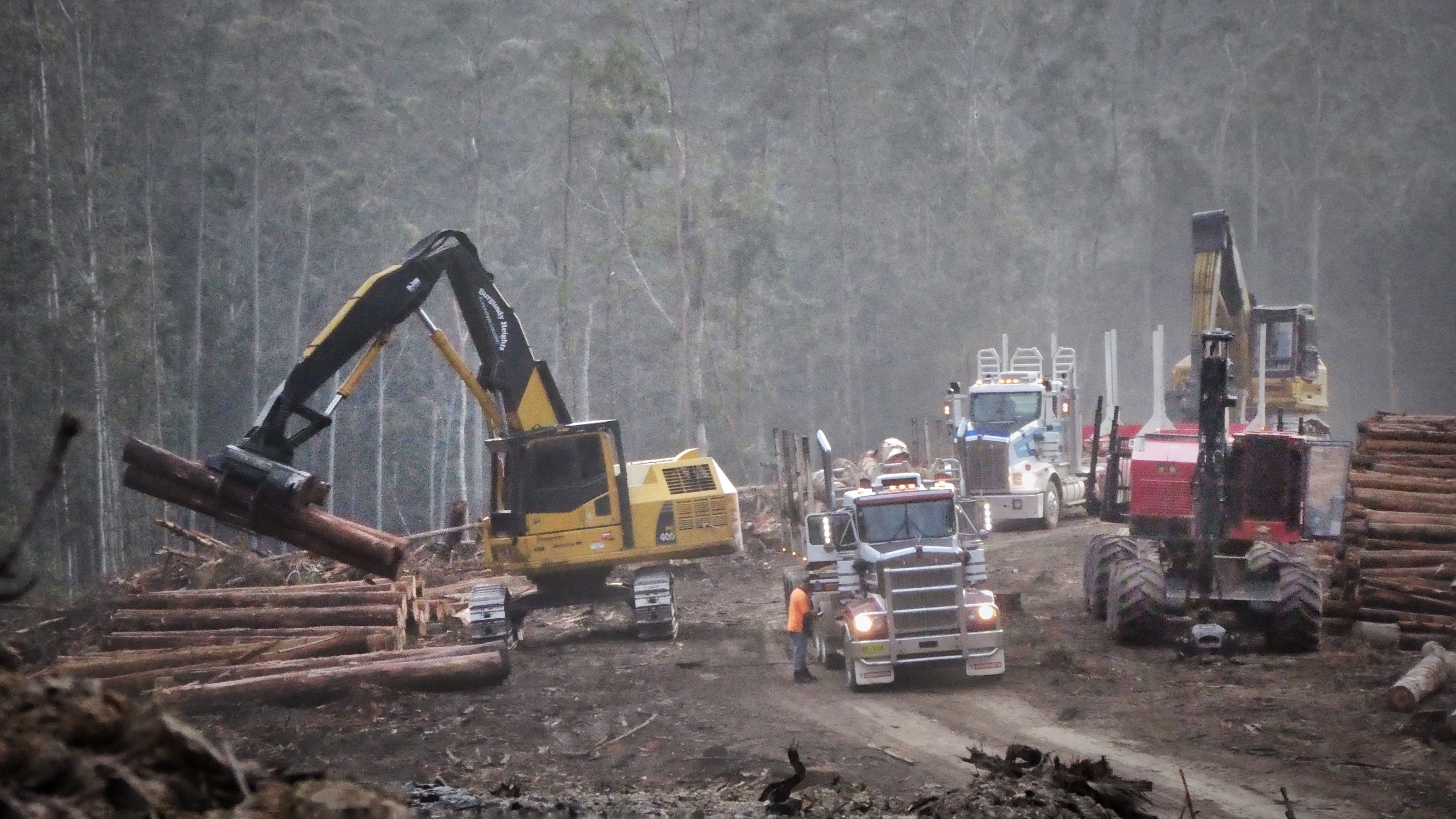
Whenever governments put economic and environmental values on the scales, the mantra of “jobs, jobs, jobs” always trumps the preservation of our forests, plains and waterways. But what “Operation Tarkeeth” does not provide is work. Jobs, local jobs for loggers and mill workers. The days of the logger with his chainsa, selecting and felling the best trees, are gone in this mechanized workplace. We watch the logging jinkers heading east to the Pacific Highway loaded with blackbutt poles for the Grafton mill, some 100 kilometers away, whilst good pulp logs are trucked to Queensland. The trucks come from Grafton too. Local mills get what’s left. The jobs created by this destructive operation are in haulage, and in security – as protests and trespass into the harvest zone have halted work on several occasions.

And yes, there are protests, and there is also division. Nothing divides a small rural community more than logging the nearby forests. And particularly a community that still remembers the last forest war. It has been thirty years since the ferals and the grannies took on State Forests in the old growth wildernesses of Chaelundi and Wild Cattle Creek, since the lock-ons and the tripods in the deep dark woods, since the time of division and derision, since the passionate defense of the jobs of the loggers and the businesses that depended in the local mills for a livelihood, on the one hand, and the people who believed preserving the forest as a future heritage was more important.      That war ended with a change of government and direction, and a truce as forestry agreements were made and national parks were extended.

A new generation has come of age since those days, But memories and loyalties, perceptions and prejudices are inherited, and are resurrected down the pub, around kitchen tables, and on social media. The old hatchets may have been buried a long time ago, but many folk still know where they buried them.

We played our own small part in that old war, as the Sydney base for the Wingham Forest “stump truck” that toured the state with two huge, old tallowwood stumps on its flat-bed. We thought that our days of rebellion, of rising up against the empire, were over. But the rebel heart is beating yet.

image


Featured Image:  Nothing quite prepares you for the devastation of clear felling. Joby, a Gumbaynggirr elder, surveys the Tarkeeth.

Read also:

http://www.bellingencourier.com.au/story/4071463/when-a-tree-falls-in-a-forest-then-locals-hear-the-sound/?cs=483

https://howlinginfinite.com/2016/08/18/tolkiens-tarkeeth/

Small Stories – A Tale of Twin Pines

Living in Interesting Times

“These are the days of miracle and wonder, but don’t cry baby, don’t cry…”  Paul Simon, The Boy in the Bubble

With an election looming in Australia, touted as the most important election since the last election, a critical referendum next week in the UK that could precipitate a frightening leap in the dark, and possibly the most divisive presidential contest in the USA in living memory, I scale the News Corp pay-wall to share Paul Kelly’s thoughts on the “interesting times” that we are living in.

Disruption of Brexit, Trump Loom in Anti-elitist Age

Paul Kelly, The Australian, 15th June, 2016

Our age is defined by hostility towards elites and establishment power — caused by financial abuses, frustration at pressures over incomes, immigration and living standards, polarisation at changing cultural norms and Islamist terror — with the US and Britain now in domestic political turmoil from this phenomenon.

The sense of elite failure is taking hold. It mirrors the belief that established policy is rotten or ineffective. Witness the incessant talk of weak leadership and the demise of political trust. People feel they are losing control — of their suburbs, country and security.

The culture of complaint, partly justified, lurches out of control, fed by public anger, acrimonious social media and a coarsening in public life. In this cauldron, ideas that have governed prosperity and success are now under assault from extremes of Left and Right. This roughly describes the forces at work in the US and Britain today. The once unthinkable — just nine months ago — is now a real prospect.

Donald Trump, Republican nominee for president with a reasonable chance in a two-horse race, constitutes a danger to the US and the world. Britain, according to polls, is 50-50 on whether to vote for Brexit and leave the EU in a delusional national revolt. And Australia, devoid of such epic events, is not devoid of their causes, with an anti-establishment, anti-major party hostility possibly defining the 2016 election.

There are two dominant characteristics of this revolt against the elites — it proves the failure of established political leaders and every sign is that such angry, disillusioned populism is just making matters worse and leaving people worse off.

The Western democracies are sinking into a political and intellectual crisis.

The Trump and Brexit movements are different in form but close in motivation — they are driven by multiple grievance. They feed off the notion of a polity gone wrong and a public scorned for too long. They represent a community alienated by and from the centres of power, from the Republican establishment to an arrogant EU.

In extreme form, people feel the system is rigged against them. They are retaliating: part calculated, part irrational. In an age of economic and technological disruption, large segments of the community have said “you want disruption? OK, we’ll give you disruption”.

Tory PM David Cameron now finds his survival in peril. Barack Obama, the most progressive US president, bequeaths a legacy of public rancour, polarisation and low self-esteem. Is it possible for any leader to succeed in societies that have lost their traditional virtue and much of the civic glue that held them together?

It is a time of false prophets. A generation of different and dangerous populists now moves to centre stage. Some like Trump, are undisguised in their racial, sexist and selfish pitches. Trump knows the key to being a successful fraud is to be a grand fraud. He pledges “to make America great again” with an agenda that will damage America and endanger the world.

Yet he wins wide applause. This is because he is an anti-politician, shaking the system, abusing the established politicians, trashing their ideas. He thrives on shock and extravagance in a culture drunk with mindless celebrity. He stands for economic nationalism, trade protectionism, xenophobic hostility towards Muslims and a US strategic withdrawal from the world and much of its alliance system.

Many of the sentiments Trump champions are embraced, one way or another, by the collection of minor parties and independents running at this election — and receiving little scrutiny — from Nick Xenophon’s extreme protectionism to Pauline Hanson’s extreme attitudes towards Muslims and immigration to the strategic withdrawal advocated by the Greens in their hostility towards the US alliance and delusion of a neutralist and more “independent” Australia.

Because he is an inflated ogre, Trump invites resistance. He lacks the judgment for the US presidency and should be fiercely opposed every step of the way. His policies cannot be excused simply because of establishment blunders.

The situation in Australia is different because our revolt against the elites is conducted in the name of the underdog, the little Aussie battler, the moral crusader or, as the Greens say, against the political equivalent of the Coles/Woolworths duopoly.

It is a climate where Jacqui Lambie, a purveyor of cliches with the common touch, can become a Tassie heroine and Xenophon can exploit rent-seeking provincialism to become SA’s finest son. Australians with their anti-authoritarian instincts are notoriously susceptible to appeals to cut down the tall poppies. It is a national pastime and good fun. The public can elect protest candidates in haste and regret over time. Witness Clive Palmer. Who pray, will Queensland give us this poll?

The educated class is adroit at the game. Clever men, Oxford educated, who write books about Winston Churchill can become slick populists as they seek to repudiate Churchill’s legacy of Britain’s commitment to Europe. Boris Johnson spearheads the Brexit campaign and, if successful, he will be well ­positioned to become PM.

Exploiting the multitude of EU flaws, Johnson makes a big call in Churchill’s style — time to quit Europe altogether — mobilising the sentiments that blame Europe for Britain’s problems, channelling Euroscepticism, overlooking the evidence that exit will hurt Britain economically, hurt the living standards of its people, diminish Britain’s influence and create a series of policy challenges that ­nobody remotely knows how to solve.

Johnson’s is a sophisticated populism. He cannot explain how Brexit will leave Britain more prosperous or safer. But he has invoked Hitler, Napoleon and the glories of the Empire along the road to what he calls a new freedom. He has panache and, exploiting the immigration card, he may win. Malcolm Turnbull, naturally, backs Cameron’s efforts to keep Britain in the EU.

False ideas are powerful in this new populism. People these days are disgusted with transactional politics — deals, trade-offs, compromises. Yet this is how nations are run in the age of fragmentation and diversity. It is what delivers stability, progress and social unity.

The anti-elites have a different view. They are obsessed by the notion of authenticity because they see most politicians as phony. They want politicians to take a purist stand in honouring their obsessions, single issues and self-interest — against the coal industry, for same-sex marriage, free Medicare forever, banning coal-seam gas, escaping the EU, building a wall to keep out Mexicans. It is a long list.

The anti-elites embody a rising intolerance — self-righteous refusal to accept the validity of the opposing argument is pivotal to this mood. These upheavals in the two great democracies, the US and Britain, are moments of great import. To list the sources of this malaise is to recognise its existence in Australia, albeit in different and less intense form. But for how long?

The mood in the Australian election is disengagement and disillusion with the main parties. The principal contest is Coalition versus Labor.

Yet there is another issue at stake: whether this poll sees an unprecedented number of minor party and independent candidates in evidence of a growing revolt against the Australian system.