‘If you know your history, then you know where you coming from. Then you wouldn’t have to ask me who the ‘eck do I think I am’. Bob Marley, Buffalo Soldiers.

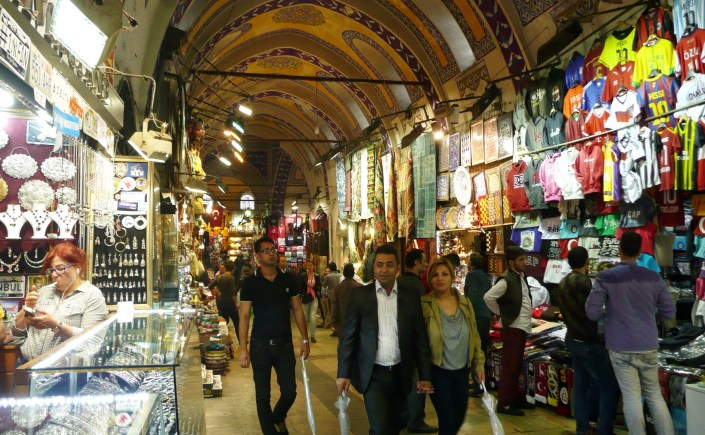
People watching in Sultanahmet on a wet Saturday afternoon in Spring.
It’s very like people watching in Newtown, Sydney.
The history of Istanbul, of Turkey, of the Turkish people, is written in the faces of the passersby. There is no pure Turk, just as there is no pure Arab, Jew, Slav, Celt, or Caucasian. Indeed, you see them all passing by. And it has been raining these past two days. The umbrella sellers are making a killing with their see-through parapluies. Everyone, tourists and locals alike are sporting them.
The weekend is promenade time. Families parade up and down, past the pastry and kebab shops, the hawkers and the hustlers. Young men sidle by with their girls, girls walk out with their honeys. Groups of girlfriends, and boy-groups gather and gaggle and gossip. Western folk and eastern folk. This is where east and west meet, literally, figuratively, ethnically, and yes, geographically. And it is written on the faces and in the garb of the perambulating populace.
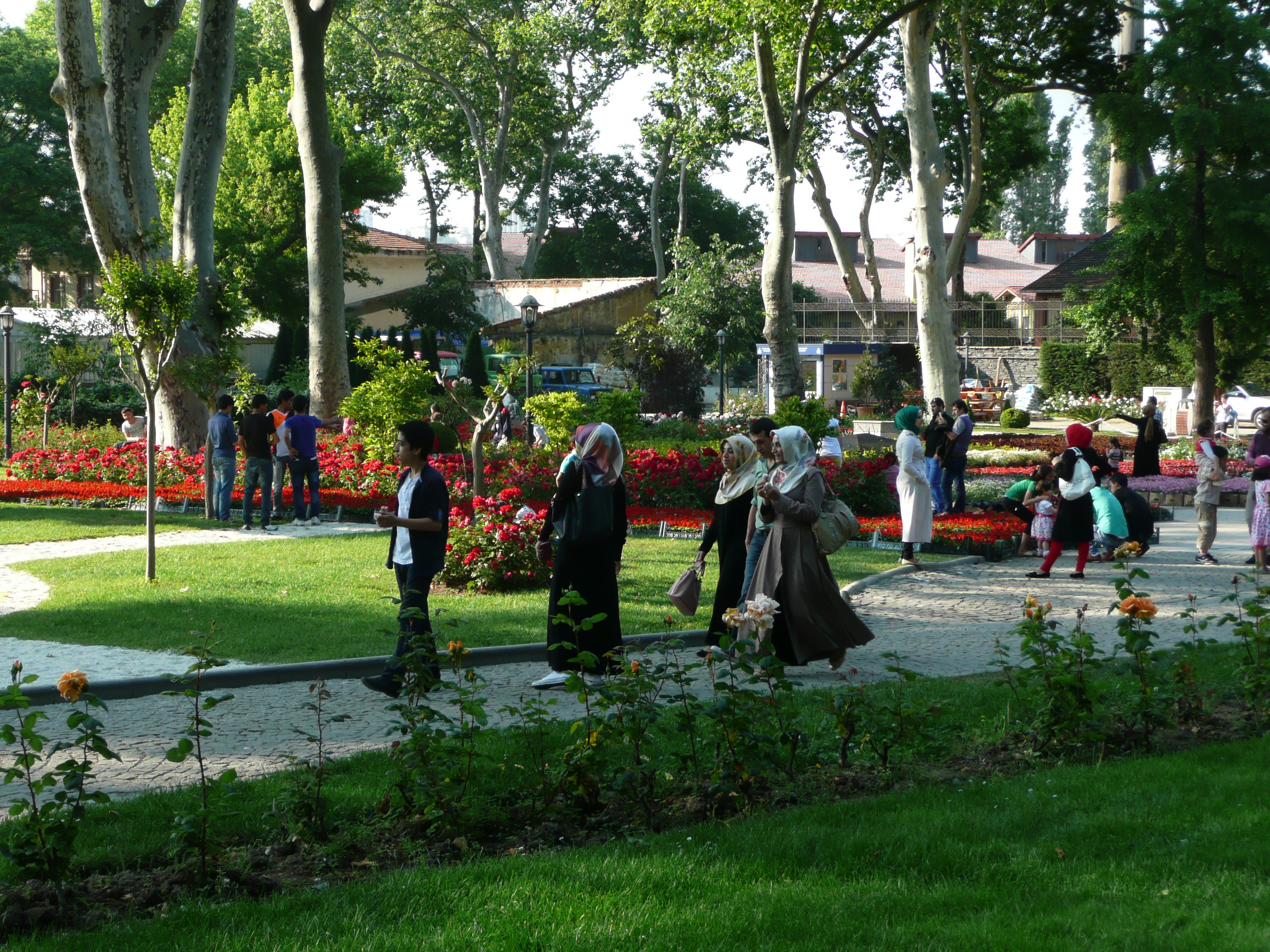
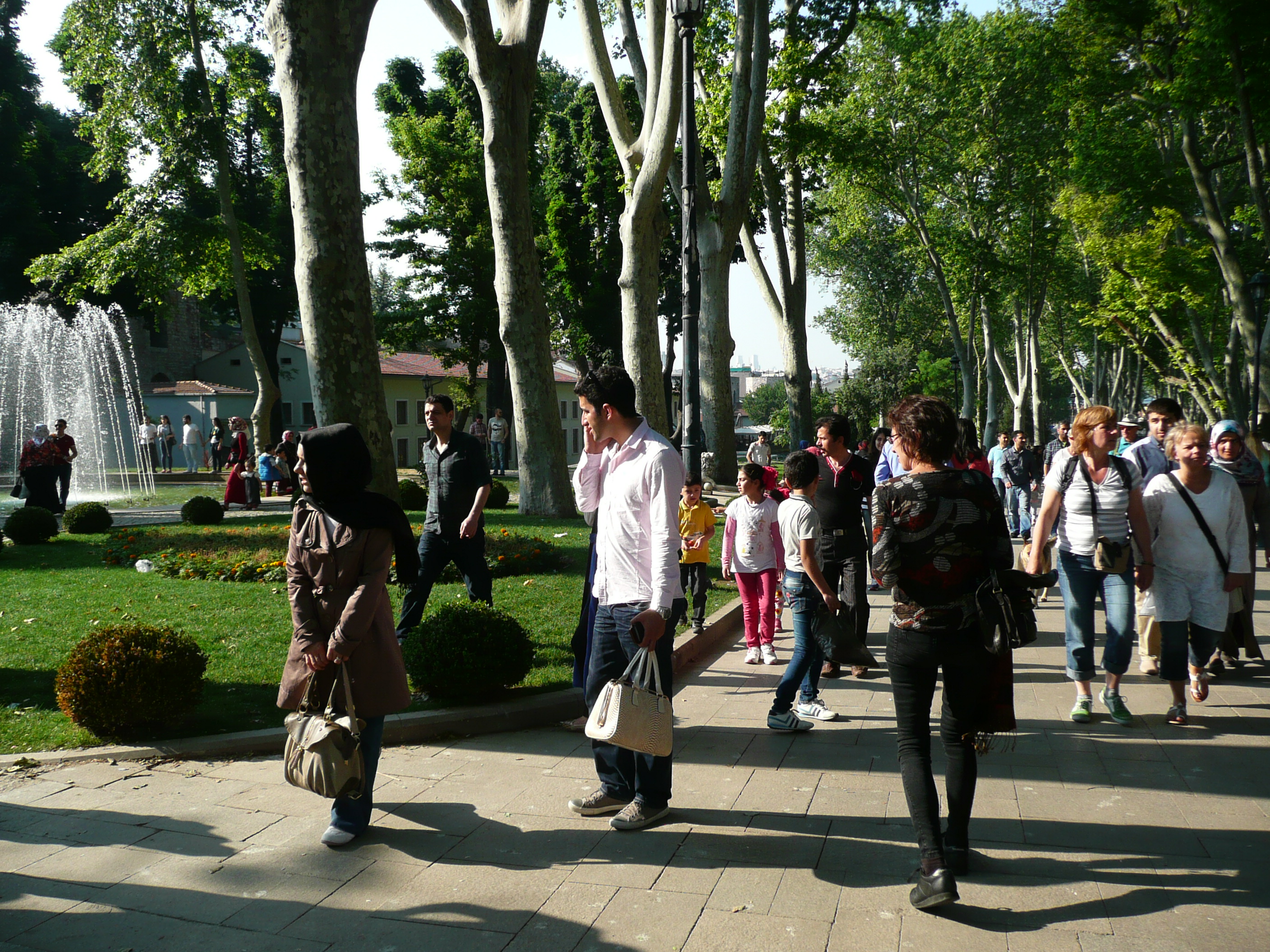
Sunday in the park
Muhajibabes in beautiful scarves (the Great Bazaar is chocka with wonderful day cashmeres and pashminas – there is no excuse for drabness). “Mandy, Mother of Brian” in vast and bulbous black. Ladies in full cover, some dark and exotic, and mysteriously alluring, and others that make me think that they are doing us all a favour (non-PC, but there you go). I just saw a clown with green hair and a red nose. Fashionistas and paysans. And the many, many ordinary folk, old, young, and babes in arms, enjoying the weekend. All oblivious to the feral dogs and cats that roam through these parts.
There are no pubs on every corner. There are no rows of wine bars. There are no ice-cream and yoghurt shops (though we did find a good bar just across from the square in front of Hagia Sophia).
Oh, it makes you wonder.
For other posts about Turkey in In That Howling Infinite, see:
- Ottoman Redux – an alternative history
- Sailing to Byzantium
- The Watchers of the Water
- Cha-cha-cha-changes
Sailing to Byzantium, Ottoman Redux – an alternative history, Cha-cha-cha-changes and The Watchers of the Water

 In That Howling Infinite