Stop this day and night with me and you shall possess the origin of all poems.
Walt Whitman, Song of Myself.
The words of America’s national bard came to me as I read for the first time this very morning Last Thoughts on Woody Guthrie, written by Bob Dylan in honour of his idol Woody Guthrie, who at the time was dying from Huntington’s disease.
I hear America singing, the varied carols I hear, wrote Walt Whitman, setting song lines for a young nation, and what was seen at the time as its promise and its bold, independent identity. He reflected his country’s growing up and coming of age to his own personal awakening and awareness, in his seeing and being enlightened. Dylan was to become the young voice of an older but not wiser nation that seemed very much like it was not busy being born, but, rather, under the weight of its myriad contradictions – of the old and the new, the youth and their elders, of war and peace, black and white. Dylan heard the his country’s song in the turbulent, transformed and transforming sixties declaiming that he’d know my song well before I start singing.
In 1855, when Whitman published his first incarnation of Leaves of Grass, no one had yet heard anything like the raw, declamatory, and jubilant voice of this self- proclaimed “American”. And the same could be said of the young Bob Dylan when he broke out from the pack that had gathered in the folk cafés and clubs of New York City in the early years of the nineteen sixties, an enigmatic poetic figure whose songs spotlighted the chaos and division that have long defined what it meant to be an American. It is no wonder that in later years, Dylan would acknowledge his debt to Whitman in I Contain Multitudes – unoriginal and some would argue, pretentious, but then Bob has always borrowed, be it from the Anthology of American Folk Music, the British folk tradition, the avant guard poets of Europe, and the great books of the western literary canon.
Dylan read his poem for Woody aloud once only, reciting it at New York City’s Town Hall on April 12th 1963.
Introducing the poem, he told the audience he’d been asked to “write something about Woody … what does Woody Guthrie mean to you in twenty-five words,” for an upcoming book on the icon left wing singer-songwriter. He explained that he “couldn’t do it – I wrote out five pages, and, I have it here, have it here by accident, actually.” What followed was not a simple eulogy, but a lengthy, 1705 word stream of consciousness treatise on the importance of hope.
Dylan sets the scene by describing the stresses and strains of everyday life and challenging choices we have to make as we navigate it. He describes how these can cause us to feel alone, lost, and without direction. He then explains the need for hope and how we need something to give our lives meaning. He concludes by suggesting that, for him, Woody Guthrie is as much a source of hope and beauty in the world as God or religion.
Reading it for the first time ever this morning, I could hear words, lines and themes from songs that were yet to be written, songs that have followed me down these past sixty years, from those early albums of anger and introspection, protest and perception, through to My Rough And Rowdy Ways.
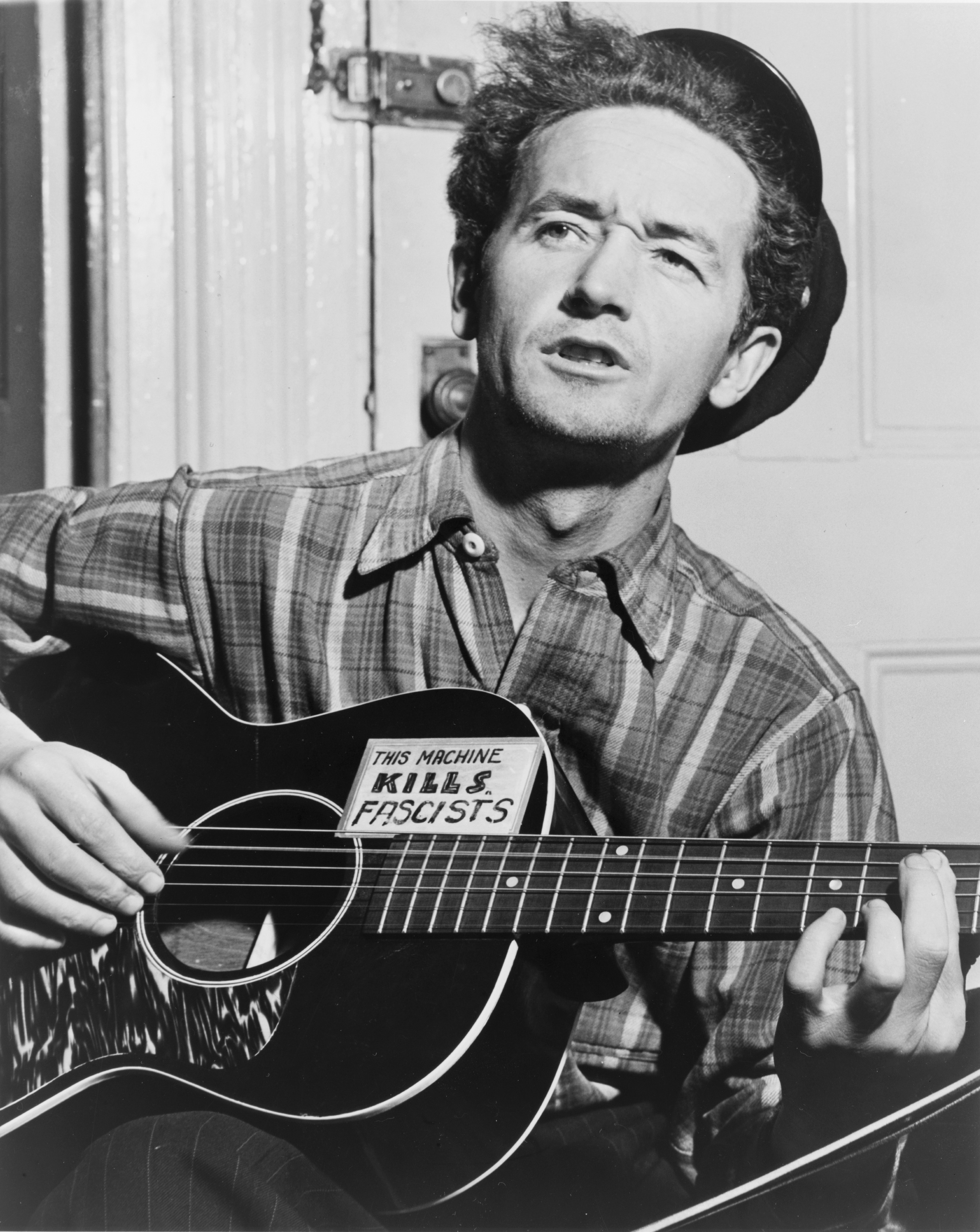
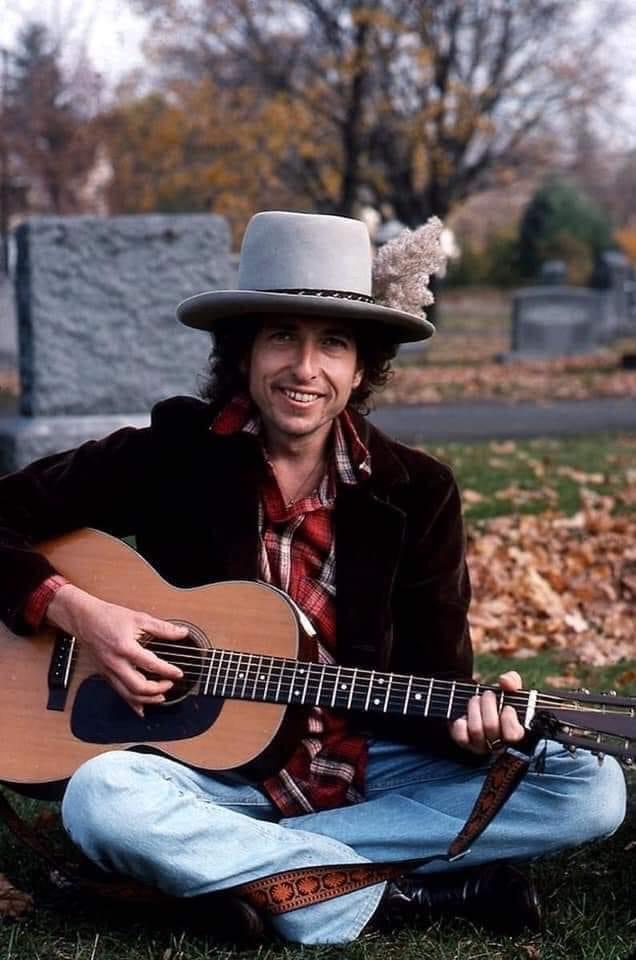
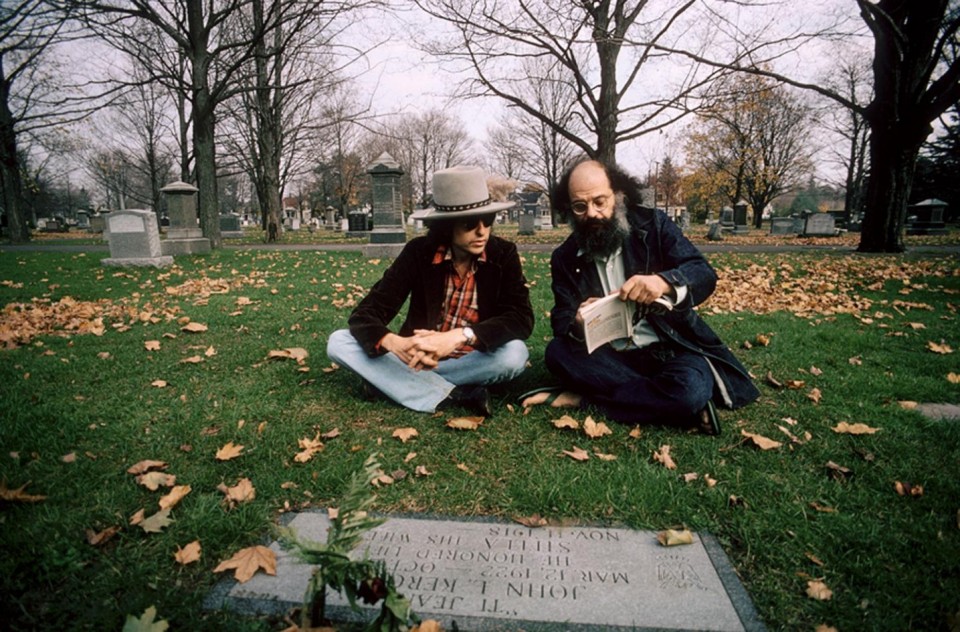
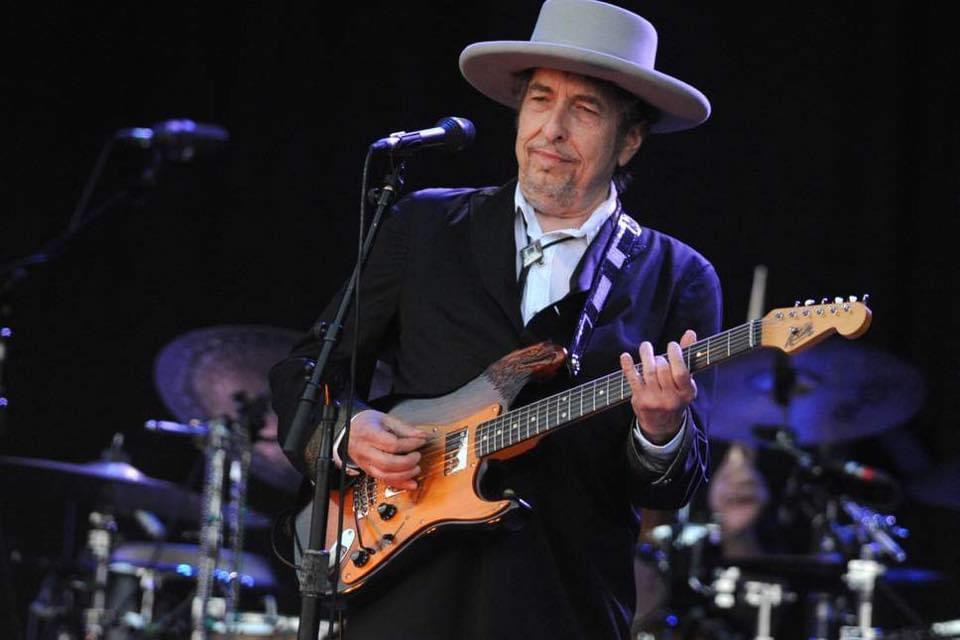
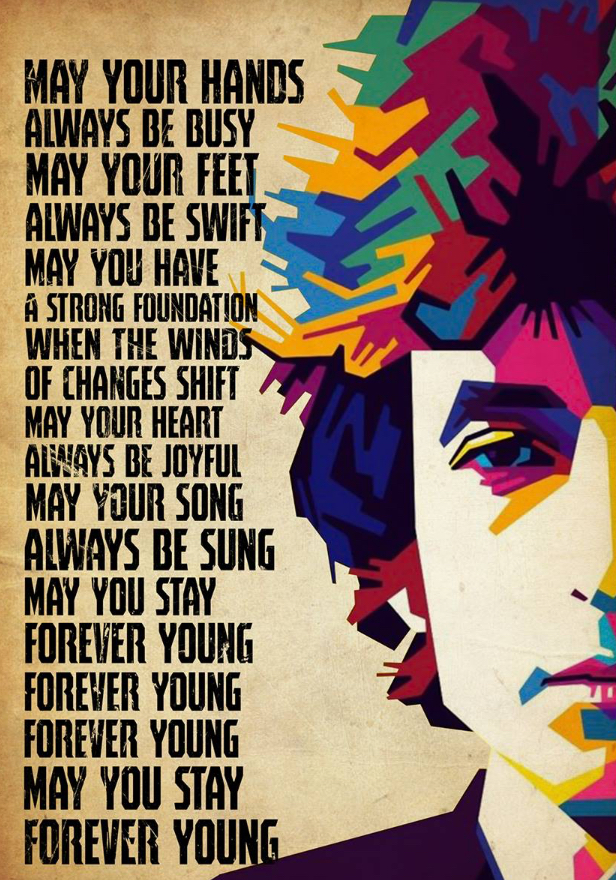
The recitation was recorded, but was not officially released until 1991, on The Bootleg Series Volumes 1-3 (Rare & Unreleased) 1961-1991, after circulating on bootleg releases for years. The poem is published in full below. The images in the video that follows it are clichéd and distracting; just shut your eyes and listen to the words. I prefer just reading and recalling all those uncounted ballads, songs and snatches and the improbable ‘echoes’ of things to come. I have added a gallery of favourite pictures of the man himself. Enjoy.
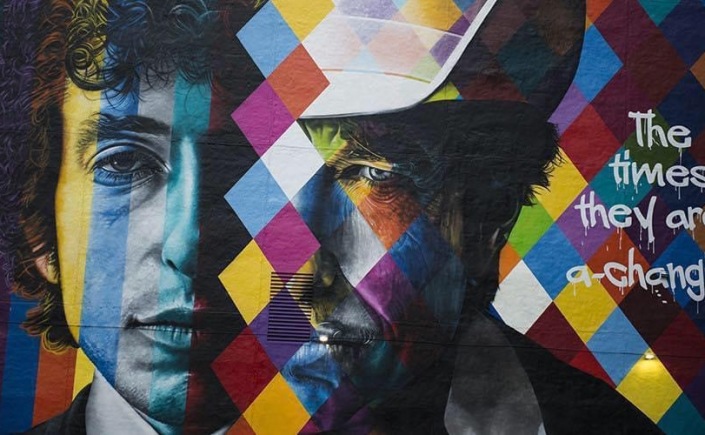
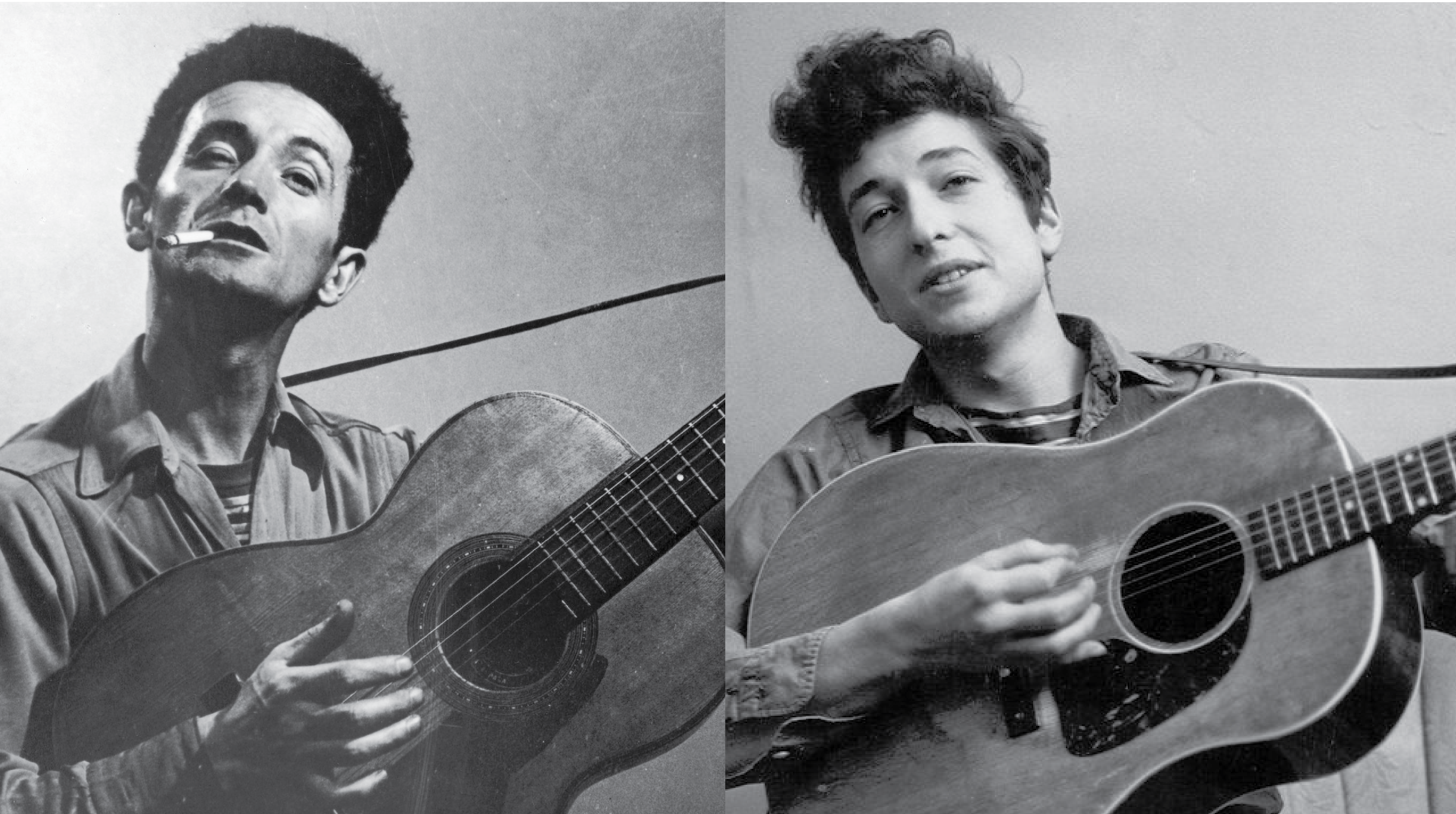
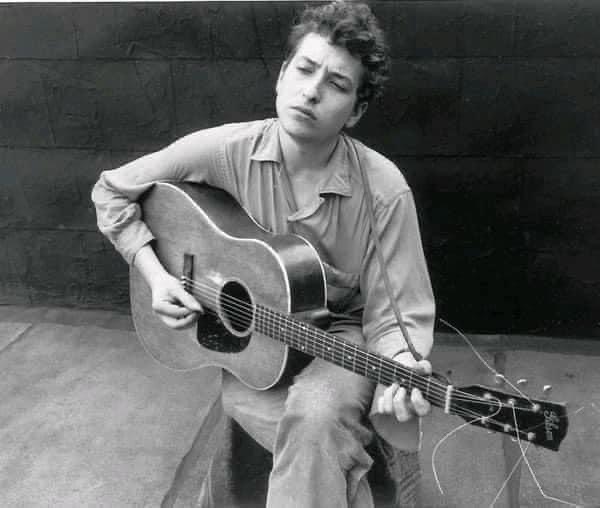


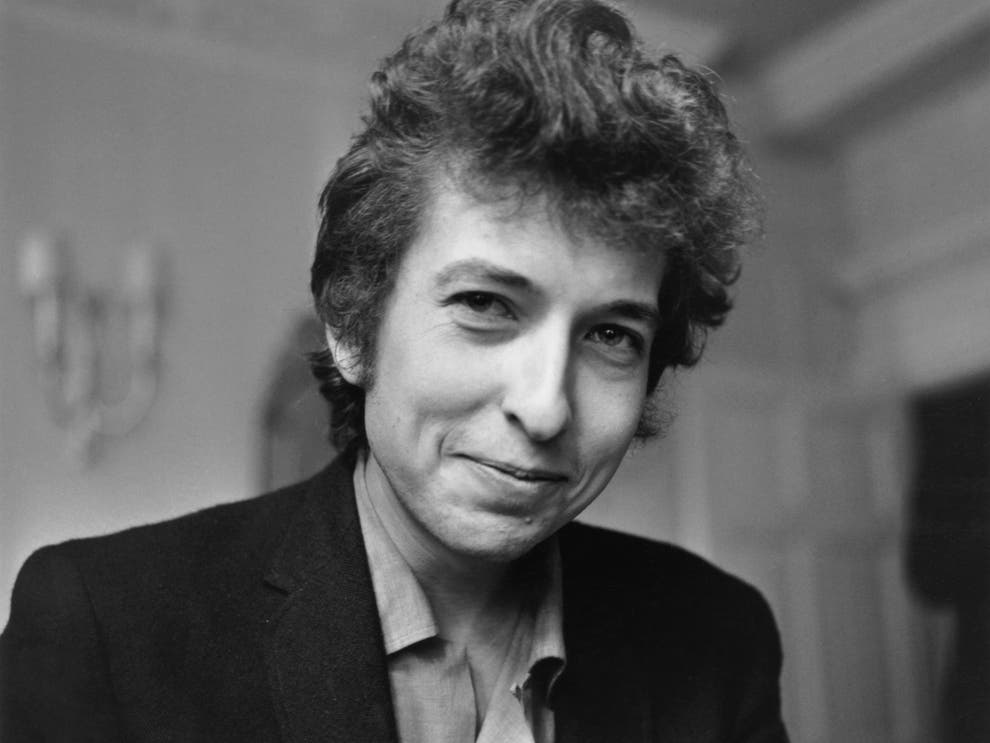







 In That Howling Infinite