Silencing The Voice – the Anatomy of a No voter

It takes love over gold
And mind over matter
To do what you do that you must
When the things that you hold
Can fall and be shattered
Or run through your fingers like dust
Mark Knopfler, Dire Straits

The vibe in Bellingen town on the mid north coast of New South Wales during our months of campaigning for Yes and right up to 6pm on Saturday was such that you’d think we’d brought it home. But that was our hearts and hopes speaking – our heads were well aware that we were in trouble. The Yes vote in the two Bellingen booths was at the last count 66% – much like inner city Sydney and Melbourne – but alas we were just a cork bobbing in a rough sea of No. The overall national count was 60% No, an almost mirror image, whilst our federal electorate Cowper, with 67% No, was one of the highest in the country. In 1967, it recorded the lowest Yes vote. Plus ça change, plus c’est la même chose

Like the campaign and media coverage leading up to 14 October, the poll reflected and exposed pre-existing divisions in our society, economy and politics, each melding into each other: Inner city versus outer suburbs, cities versus the regions, younger versus older, affluent versus the less well-off, educated versus less educated, black versus white (and even, black versus black) and the the so-called black armband and the white blindfold narratives of our history. Aboriginal communities wanted the Voice, but suburban and regional Australia rejected it. Even a large number of Labor and Green Party supporters cast No votes. The further one got from the cities, the more Australia said No.

Are we a nervous, frightened nation unwilling to look back, and unable to look forward? Perhaps a less accusatory explanation is that most Aussies are not feeling too generous right now, and that they don’t want to give our First Nation fellow-citizens what they perceive is more than anybody else gets. And we allowed politics and politicians’ interests to erode Australians’ inherent goodwill. We were, it seems easy prey. As Peter Hartcher wrote in Sunday’s online Sydney Morning Herald:

“The giant Gulliver of Australian goodwill allowed itself to be immobilized by a hundred petty Lilliputian doubts and fears, turning five years of Yes into a decisive No. Most Australian adults were unable to sustain their natural big-heartedness when it was beset by an unrelenting storm of hostility and suspicion. John Howard, for instance, urged people to vote No because of the need to “maintain the rage”. What on earth does the former prime minister have to be so angry about? What is it about a disadvantaged minority comprising 3 per cent of the population that demands a sustained national rage? … Political combat overtakes rationality and, regrettably, it easily overwhelms innate human goodwill. The No campaign will be very pleased with itself for so easily frightening and befuddling the electorate out of its inherent good intentions. Australia could be forgiven for being embarrassed.”

Bernard Keane of Crikey was less constrained:

“The Voice, according to the No campaign, is a threat to white Australians – a threat mostly unarticulated, but some particularly racist No campaigners have gone there, saying it will impose reparations, or dispossess Australians of their property. The message of the No campaign, from Peter Dutton and former Liberal leaders like Howard and Abbott, is: be scared. There is always someone out to get you, to take something of yours, to get something you don’t have. You’re the victim. Indigenous peoples are just the latest in a long line of people trying to do you over, with the help of an “elite” that hates you. Live in fear, and huddle in resentment”.

Spruiking the Voice at market stalls over the last three months and visiting many booths in our shire, copping shouts of both encouragement and expletive laden opprobrium, and reading-up on a variety of media, here are some observations by myself and others. Each can apply to one or to many No voters, though not necessary to all.

There were, after all, many, many fair-minded, thoughtful and well-meaning voters who sincerely believed that the Voice was not the way to go, and they would most likely have voted for the constitutional recognition of our First Nations people if it had stood alone as the referendum question – notwithstanding that symbolic recognition by itself was not what the 250 delegates to the First Nations National Constitutional Convention of Australia Aboriginal and Torres Strait Islander leaders asked for in the Uluṟu Statement from the Heart six long years ago.

But all reflect in some way the mindset of a change-averse, suspicious and nervous nation.

Many No voters …
  1. Thought that the Voice went too far and was too powerful – some arguing that it would be litigious and would grind government to a standstill whilst others claimed it would invite indigenous intervention in all areas of policy
  2. Thought that the Voice didn’t go far enough and wasn’t powerful enough – that it was potentially impotent
  3. Thought that it would threaten their property ownership – the cry  “they’ll come after our homes!” echoed claims raised during the Mabo days
  4. Thought that it would take away native title rights from aboriginals (with help from the UN, one person told us)
  5. Thought that a mere 3.5% of the population would control our government (some people actually think the percentage is much greater than that)
  6. Thought that a Voice would lead to a treaty, “pay the rent” and reparations – a bridge too far
  7. Thought a Voice would “divide us” and render one group “more equal than others” – as if we weren’t divided and unequal already as anyone with a skerrick of awareness of Australian history, politics and society would know (but pundits believe that in the end, this was the prime factor in the No victory)
  8. Didn’t understand what they were voting for and didn’t care – lack of knowledge and interest in our political system among so many people is quite worrying.
  9. Didn’t get the Voice model – there were many who didn’t understand it and also many who did and had valid questions on detail and proces
  10. Had little or no knowledge or interest in Australia’s history since 1788
  11. Didn’t have any idea of the process First Nations people went through to arrive at the Statement from the Heart
  12. Were disgruntled with and don’t trust governments, and are basically anti any and everything.- some, like the International Socialists urged a boycott arguing that each side represented a capitalist plot
  13. Thought compulsory voting is a chore and a bore – and is seen by some as anti democraticWe’re rusted on LNP voters who like Dutton, want to take paint off the Labor government
  14. Were PHON, PUP and UAP people; antipodean Trumpistas and Putinophiles, RWNJs, QAnon, anti vaxxers and other conspiritualists; and sovereign citizens (who do not recognize the Australian state at all – “we are all individuals!”, and each man “is an island unto himself”, to reverse the John Donne aphorism
  15. Were Blak Sovereignty indigenous and their white supporters who do not recognize what they see as the colonialist state and demand sovereignty of their own – and ironically, these now claim the outcome as a victory as it will have established their credentials and even attract disappointed and disillusioned Yes voters to their cause. What might have seemed like a cul de sac may one day become a reality
  16. Were misinformed, gullible, naive and easily misled by opportunists, misinformation and downright lies, and came up with the most fantastical scenarios and ridiculous assumptions
  17. Were selfishly thinking that by depriving others of something they’d be better off, that aboriginals get too much already, that they get more than everybody else, and if they get more, they’ll waste it
  18. Were more concerned about money than anything else – we are going through straightened economic times right now with seemingly insolvable cost of living, health  and housing crises – and that it will negatively affect themselves
  19. Weren’t impressed when their rock idols Farnsey, Barnsey and the Oils supported the Voice in song and statement. As left wing columnist Julie Szego noted in a nuanced piece in my favourite  e-zine Unherd, the use of You’re the Voice “was intended to rouse the already converted into evangelical fervour — nostalgic Gen X’ers like me dutifully blubbered – but talkback callers expressed their displeasure at the soundtrack to their youth enlisted in the service of a partisan cause”
  20. Weren’t influenced by our indigenous sports icons Cathy Freeman, Nova Peris, Ash Barty and Yvonne Goolagong Cawley advocating for a Yes vote – and weren’t impressed that the major sporting codes all signed up to Yes
  21. Certainly weren’t impressed when banks and other large corporations put their shareholders’ money into the Yes  campaign – though large donors to No, including Gina Rhinehart, Australia’s richest person, kept their largesse out of the public eye (taking advantage of our lax laws on political donations)
  22. Weren’t put off by the company they had been keeping, including the likes of old Tory warhorses like John Howard and Tony Abbot, the discredited Scott Morrison, the aforementioned Gina, Rupert Murdoch, Pauline Hanson, Alan Jones, Peta Credlin, and an almost unanimous coven of Sky at Night opinionistas
  23. Didn’t have any idea of the process First Nations people went through in 2017 to arrive at the Uluṟu Statement from the Heart (see our prior article The Uluru Statement from the Heart‘)
  24. Believed that The Voice was cooked up by the Albanese Labor government and Aboriginal elites (whoever they are) otherwise know as the so-called “Canberra Voice” – these same people probably deride aboriginals for being uneducated and that when they do get an education, deride them as elites
  25. Were smug and paternalistic, thinking they know exactly what First Nations people need – and that is certainly not A Voice – even though they haven’t been within cooee of or spoken to an aboriginal in their lives
  26. Labor and Green supporters who subscribed to some but not all of the above

What next?

As the indigenous leaders of the Yes23 campaign take time out for refection and grieving, I guess we can now all go back to feeling good about ourselves and our nation, or, as former PM John Howard described it a couple of decades ago, “relaxed and comfortable”.

Questions will most certainly be asked. How did the high levels of support for the Voice slide so far? Why wasn’t there a better response to misinformation? Why couldn’t the falsehoods be sufficiently countered? Why were so many still unsure about this simple proposition? As for some other form of constitutional recognition, as suggested by Dutton, that seems far-fetched without the support of Indigenous Australians. And Labor is in no mood right now to bowl up another referendum on anything, either this term or next. So, while the political caravan moves on, the problems for Indigenous Australians will remain.

This will probably be my last word on the Indigenous Voice to Parliament in In That Howling Infinite (though, of course, never say never!). I’ll leave you with these words of the late Margaret Thatcher on the night she became prime minister of the United Kingdom in May 1979:

“I would just like to remember some words of St. Francis of Assisi which I think are really just particularly apt at the moment. ‘Where there is discord, may we bring harmony. Where there is error, may we bring truth. Where there is doubt, may we bring faith. And where there is despair, may we bring hope’ …  . and to all …. people – howsoever they voted – may I say this. Now that the election is over, may we get together and strive to serve and strengthen the country of which we’re so proud to be a part … There is now work to be done’.

We know what happened next …
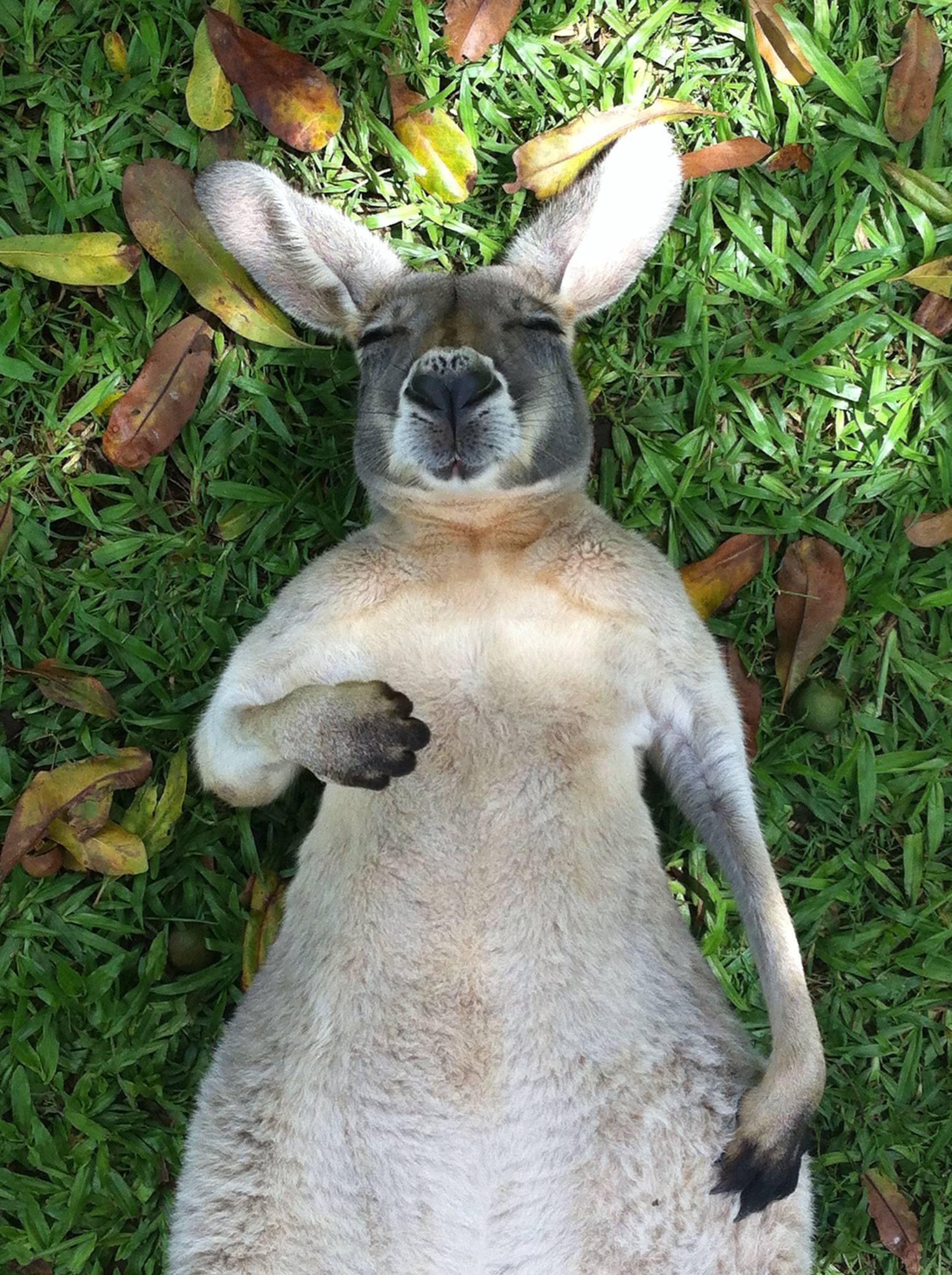
Relaxed and Comfortable

© Paul Hemphill 2023 All rights reserved

See also other articles on the Voice to Parliament in In That Howling Infinite, including The Uluru Statement from the Heart, Hopes and fears – the morning after the referendum for The Voice, and A Voice crying in the wilderness

Postscript: on referendums

“Until Saturday, we had not had a referendum for 24 years, and since Saturday, no successful referendum for 45 years. They have become sport for opposition governments to gain political points and a petri dish for propagating misinformation and conspiracy theories. In a hyper-partisan and post-truth world, the prospects of referendum success now depend more than ever on an elusive spirit of bipartisan cooperation”.
Anne Twoomey, constitutional lawyer, SMH 17th October 2023

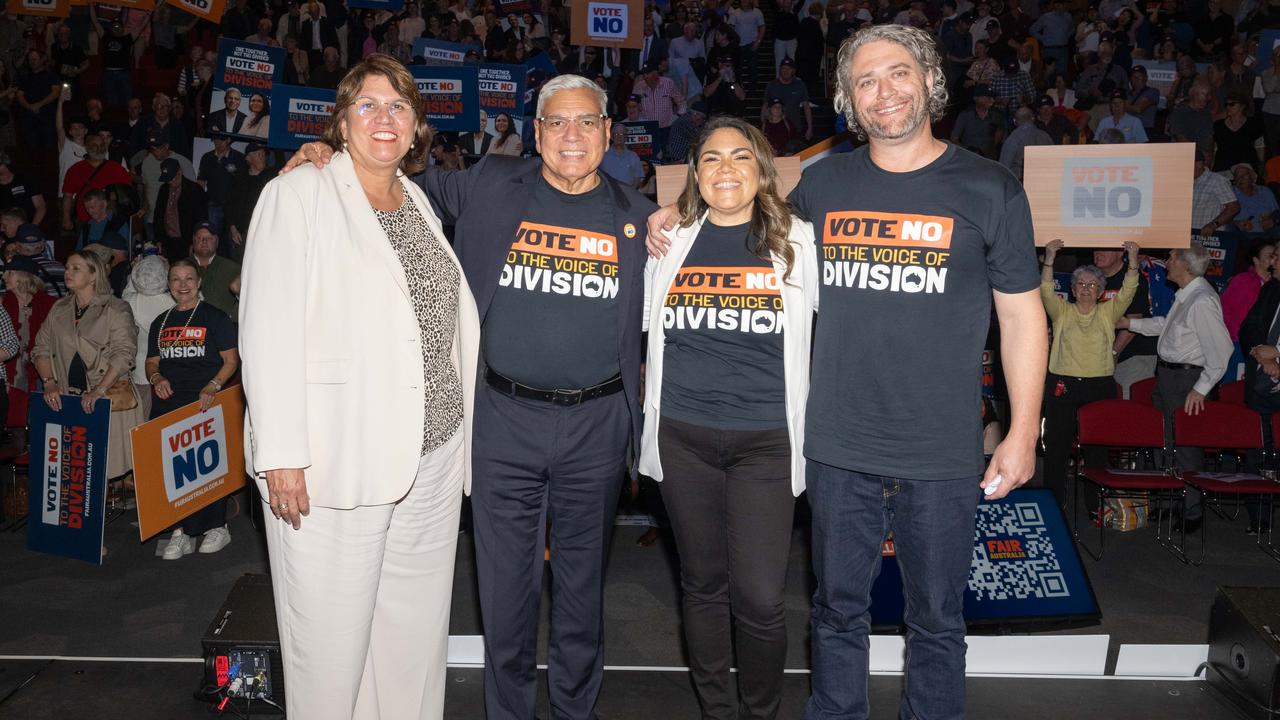
 

Hopes and fears – the morning after the referendum for The Voice

“We remember emotions … long after the details have faded. For the potency of emotion is barnacled on memory … and I know I’ll remember forever how I will feel when the vote for an Indigenous voice to parliament is declared. Win or lose”. Nikki Gemmell, The Weekend Australian, 23rd September 2023

“At a time when surveys tell us our sense of national pride is falling to alarming levels, we need to ask whether rejecting a voice would help us feel proud of our nation or fuel the growing sense of disconnection”. Chris Kenny, The Weekend Australian, 23rd September 2023

In July, I wrote in A Voice crying in the wilderness:

“Peter Dutton declared  that “the Prime Minister is saying to Australians ‘just vote for this on the vibe”. And yet, it is the “vibe” that will get The Voice over the line. Perhaps the good heart will prevail Australia-wide on polling day and those “better angels of our nature” will engender trust in our indigenous and also political leaders to deliver an outcome that dispels the prevailing doubt, distrust and divisiveness, and exorcise the dark heart that endures still in our history, our culture and our society. Because if the referendum goes down, none of us will feel too good the morning after …

The divisiveness of this referendum will probably be felt for years to come. The polarization it has brought into the open (for some would argue that it has already been there as illustrated by our perennialcukrure and history wars) is a path from which it is notoriously hard to turn back. Whether you were  “Yes” or  “No” may well will be a key marker of political identity? Will it also some to symbolize Australia’s great continental divide?

Sky after Dark and News Corp opinionista Chris Kenny, who is almost alone among his colleagues in speaking out in support of the Indigenous and Torres Strait Islander Voice to Parliament, wrote today of the daunting prospect of a No vote on October 14th, and what it might mean for our country and how we feel about it, and also, about ourselves as Australians. To help readers scale The Australian’s pay-wall, I republish it below.

Here are some cogent points from his article:

“When we wake on Sunday, October 15, it will be too late to reconsider …

First and foremost, a No victory would have repudiated Indigenous aspiration, rejecting a proposal for constitutional recognition and non-binding representation formulated after decades of consideration and consultation. This would not so much be a setback for reconciliation but a roadblock that will take many years to get around …

Would a No vote resolve a single issue or merely delay our attempts to resolve them? Would it make us a better nation, or anchor us to unflattering elements of our past?

Would a Yes victory give us a sense of accomplishment and set us on a course for improvement? Would a Yes vote rejuvenate reconciliation and wrap our arms around Indigenous Australians and their challenges?

Would a Yes victory display a bigger, more optimistic and accepting country? Would a No vote confirm us as a frightened, insular and small-minded nation?

While the No leadership would presumably counsel against celebrations in favour of making sober pronouncements about preventing a constitutional mistake, there would likely be outbreaks of triumphalism from many No supporters if they defeat the referendum proposal.

This would create a harrowing contrast with a mournful Yes camp and the reality of Indigenous Australians feeling rejected in their own country.

Where Yes would have provided a path forward, with immediate work to be done to legislate, construct and implement the voice, defeat will lead to nothing. The task ahead will be simply a return to the status quo, the failed status quo.

Indigenous people, communities and organisations understandably would feel dispirited. Whatever the merits of the respective campaigns, negative politics again would have proven more effective than positive advocacy – a misleading scare campaign would have thwarted a carefully devised and constitutionally conservative reform.

A nation that has been talking the talk on reconciliation would have been revealed as too timid to walk the walk.

We would have spent decades of consideration and consultation to come up with the desired constitutional amendment, and then strangely rejected it.

A country in which all sides of politics say they want reconciliation, representation and recognition would have deliberately refused to give Indigenous people a guaranteed say on matters affecting them. We would have become, for a time at least, the scared weird little country”.

Read the full article below, but first, Back to Gemmell:

“Once upon a time I was tremendously naive. I assumed the Voice would bring Australia together, in joy and healing; that it would mark a new waypoint of maturity in the evolution of our nation. In simpler times I dreamed that the vision of an advisory body on Indigenous affairs, painstakingly devised over 15 long years, would be agreed to, and a new era of nationhood would be ushered in.

The proposal felt necessary, suturing, for all of us. It felt like a proposal that went some way towards lifting the corrosive weight of past wrongs. Considered and careful, it seemed a simple request: for an Indigenous committee to be able to advise parliament on Indigenous issues, without being able to make laws or control funding. Yet what a sour-spirited campaign we’ve seen from the forces determined to scupper this vision …

More than 80 per cent of Indigenous people support this voice proposal. The idea came directly from Aboriginal communities, not politicians. I cannot imagine the broken hearts among many of them if this proposal isn’t carried; it would feel like a soul blow, along with all the other soul blows over generations, that would reverberate for years to come.

Once I dreamt of a feeling of great national pride, and relief, following a successful vote for the Voice. Now I worry there’ll be despair and disbelief among many, that in the end it came to this. And anger. Towards one of its scupperers-in-chief most of all. I feel certain Mr Dutton will never become prime minister if the No vote prevails. Be careful what you wish for, sir. The feeling towards you will linger, long after the specifics have faded”.

Press Gallery journalist of the year David Crow observed in the Sydney Morning Herald on 19th June, “The Voice is more than recognition because Indigenous leaders wanted practical change. The terrible suffering of First Australians over 235 years gave those leaders good cause to demand a right to consult on federal decisions, even at the risk of a tragic setback for reconciliation if the referendum fails. Practical change is ultimately about power, and the polls suggest many Australians do not want to give Indigenous people more power. It is too soon to be sure”.

A gloomy prospect, eh?

See other related stories in In That Howling Infinite: 

No vote would confirm us as a frightened, insular nation

The Weekend Australian, 23rd September 2023
If Australia votes No, the task ahead will be simply a return to the status quo, the failed status quo, writes Chris Kenny. Picture: NCA NewsWire / Morgan Sette

A morning is looming for this nation, just three weeks away, that warrants attention from all voters entrusted with a historic choice.

My worry is that, instead of Ron­ald Reagan’s Morning in America, the dawn after the voice referendum will herald Kris Kristofferson’s Sunday Morning Coming Down. We owe it to ourselves to think carefully about what a No vote would say and do in this country. When we wake on Sunday, October 15, it will be too late to reconsider.

First and foremost, a No victory would have repudiated Indigenous aspiration, rejecting a proposal for constitutional recognition and non-binding representation formulated after decades of consideration and consultation. This would not so much be a setback for reconciliation but a roadblock that will take many years to get around.

Similar to how the same-sex marriage plebiscite overwhelmed the gay and lesbian communities with a sense of acceptance and inclusion, a No victory would represent a fend-off to our Indigenous population. They were promised recognition, engaged in good faith to find a suitable path, made their considered request to the nation, and their fellow citizens will have slammed a door in their face.

And why? To save the nation from the risk of entrenched racial division? Or to deliver an ephemeral partisan win?

After a No victory (the phrase seems like an oxymoron) we would face a vacuum, with Labor, Greens and Liberal voice supporters left defeated and impotent, and the Coalition leadership promising more of the same – although weirdly, a vague promise of some kind of legislated voice in the future. If the referendum is defeated, we would be a discombobulated, dispirited and divided federation for some time to come.

Offers of a second referendum would be seen as a cruel joke. The option of bipartisan support for purely symbolic recognition in the preamble would be the epitome of condescension – telling Indigenous Australians we have rejected their voice but propose, instead, something less, something we are prepared to give, not because it is worthy but because it is easy.

Beads and trinkets.

This strikes to the heart of the reconciliation bargain. Reconciliation is about making good and restoring friendly relations – it is about compromise. Just as apologies require acceptance, reconciliation demands concession from all sides.

Indigenous people have provided a road map to put the sins and trauma of the past behind us and forge a future together. The No campaign rejects this because they believe they will lose something, or risk losing something. This seems selfish and paranoid given we are talking about only a constitutional guarantee to have some kind of body giving Indigenous people a non-binding say on issues that affect them.

What the No campaign is saying is that they want reconciliation without compromise or cost. They want reconciliation where the aggrieved party is given nothing, not even a constitutional protection that injustices cannot easily be perpetrated against them again.

This represents a shrivelled view of this nation’s history and future. The No campaign wants our political architecture to curl up like an echidna under attack, remaining defensive and prickly until the Indigenous issues go away.

If we put aside the deceptive scare campaigns from the No side, which pretends the voice will have real power rather than merely an advisory platform, there is an even uglier aspect to the voice opposition. The campaign has increasingly morphed into an opportunity to vent grievances against any aspect of Indigenous people’s place in our society.

The No advocates now argue that if you do not like welcomes to country, you should vote No to a voice. If you think a lot of money is wasted on Indigenous programs, vote No. If you think Indigenous people should not be given additional opportunities for university, jobs or contracts, vote No. If you think we hear too much about Indigenous culture and history, vote No. If you oppose treaties, Vote No. And if you do not want to shift the date of Australia Day, vote No.

This has become a grab-bag of anti-Indigenous grievance, which makes it the worst manifestation of politics this nation has seen in living memory.

But it is also a collection of issues that will continue to be debated and tackled, whether we have an Indigenous voice or not – which makes the argument inane.

There is a harsh, resentful and divisive element in the debate. And we must be able to call it out without the shrill cries that we are accusing others of racism or demonising people for their views.

It is clear many voters do not want to be troubled by Indigenous issues or aspirations. They might have little or no contact with Indigenous people or problems and want it all to go away. That is a benign and plausible interpretation of what seems to be a visceral rejection of the voice proposition.

These sentiments are not reason enough to vote No. And it should be beneath the No campaign to attempt to exploit them.

Voting No will not make anything go away, except a voice.

Nyunggai Warren Mundine. Picture: NCA NewsWire / Morgan Sette

Prominent No campaigner Nyunggai Warren Mundine, for instance, wants to shift the date of Australia Day and supports treaties and other agreements between Indigenous groups and governments. And state governments are negotiating treaties and establishing voices regardless.

Yet the No campaign creates irrational fear about treaties and Australia Day. If the No case wins, Mundine and others still will advocate for treaties and shifting Australia Day. So, what is the scare campaign about?

The lead No campaigner, opposition Indigenous Australians spokeswoman Jacinta Nampijinpa Price, is a brave advocate. I have helped to platform her determined efforts to give voice to grassroots Indigenous people for many years, helping her to become a national voice.

Price began speaking up for Indigenous Australians, for her community, as an Alice Springs councillor and entered federal politics to become a voice for the “silent victims” in Indigenous communities. So it is paradoxical that her robust politicking is probably the most influential factor in threatening a permanent Indigenous voice.

Her good intentions are beyond question; Price, her family and supporters believe a voice will amplify the views of the wrong people – the same Indigenous leadership she and her family have battled for years.

This novice senator and rising political star is campaigning against the possibility of a bad voice – yet the Coalition promises to legislate a voice, go figure.

The alternative was for the Coalition to throw in their lot with the voice and ensure it is effective and driven by grassroots concerns – practical rather than ideological. We will never know what might have been.

Taken to its logical conclusion, this fear of the voice running astray is a surrender that would have thwarted the creation of our Federation in the 1890s. Any representative or governance model requires constant engagement and vigilance to protect the complacent mainstream from the activism of the ideologues.

The Coalition decided instead to make this a partisan contest. While Anthony Albanese must wear his share of blame for the failure of bipartisanship, it is rich indeed for the Coalition to blame Labor for the division when it deliberately chose to make this a defining debate between the major parties.

If it is successful, the No campaigners would have done nothing but preserve a situation that the entire nation knows is grossly unsatisfactory. How would history judge them?

We should consider what this does to our sense of worth as a nation. At a time when surveys tell us our sense of national pride is falling to alarming levels, we need to ask whether rejecting a voice would help us feel proud of our nation or fuel the growing sense of disconnection.

Would a No vote resolve a single issue or merely delay our attempts to resolve them? Would it make us a better nation, or anchor us to unflattering elements of our past?

Would a Yes victory give us a sense of accomplishment and set us on a course for improvement? Would a Yes vote rejuvenate reconciliation and wrap our arms around Indigenous Australians and their challenges?

Would a Yes victory display a bigger, more optimistic and accepting country? Would a No vote confirm us as a frightened, insular and small-minded nation?

While the No leadership would presumably counsel against celebrations in favour of making sober pronouncements about preventing a constitutional mistake, there would likely be outbreaks of triumphalism from many No supporters if they defeat the referendum proposal.

This would create a harrowing contrast with a mournful Yes camp and the reality of Indigenous Australians feeling rejected in their own country.

Where Yes would have provided a path forward, with immediate work to be done to legislate, construct and implement the voice, defeat will lead to nothing. The task ahead will be simply a return to the status quo, the failed status quo.

Indigenous people, communities and organisations understandably would feel dispirited. Whatever the merits of the respective campaigns, negative politics again would have proven more effective than positive advocacy – a misleading scare campaign would have thwarted a carefully devised and constitutionally conservative reform.

A nation that has been talking the talk on reconciliation would have been revealed as too timid to walk the walk.

We would have spent decades of consideration and consultation to come up with the desired constitutional amendment, and then strangely rejected it.

A country in which all sides of politics say they want reconciliation, representation and recognition would have deliberately refused to give Indigenous people a guaranteed say on matters affecting them. We would have become, for a time at least, the scared weird little country.

بيان أولورو من القلب – أساس الصوت في البرلمان

إن بيان أولورو من القلب هو وثيقة جميلة، وهي نتيجة مداولات ٢٥٠ مندوبًا إلى المؤتمر الدستوري الوطني للأمم الأولى لزعماء السكان
الأصليين في أستراليا وسكان جزر مضيق توريس الذي عقد على مدى أربعة أيام بالقرب من أولورو في وسط أستراليا في مايو ٢٠١٧.
وبعد عقود من الإعداد، كانت هذه دعوة من هذه المجموعة من شعوب الأمم الأولى إلى الأستراليين من غير السكان الأصليين للدعوة إلى إصلاح جوهري للمساعدة في تحقيق حقوق السكان الأصليين، من خلال إنشاء صوت للسكان الأصليين في البرلمان ولجنة ماكاراتا. “ماكاراتا” هي كلمة يلنو متعددة الطبقات تُفهم على أنها الالتقاء بعد صراع. وينص البيان على أن لجنة ماكاراتا ستتولى عمليات صنع الاتفاق (المعاهدة) وقول الحقيقة بين الحكومات والأمم الأولى.
وتدعو إلى إجراء إصلاحات هيكلية، سواء اعترافًا بالسيادة المستمرة للشعوب الأصلية أو لمعالجة “العجز” الهيكلي الذي أدى إلى تفاوتات حادة بين الأستراليين الأصليين وغير الأصليين. ويدعو إلى إنشاء مؤسستين جديدتين؛ صوت الأمم الأولى المحمي دستوريًا ولجنة ماكاراتا، للإشراف على صنع الاتفاقات وقول الحقيقة بين الحكومات والأمم الأولى.
ويمكن تلخيص هذه الإصلاحات في الصوت والمعاهدة والحقيقة.
الصوت – آلية تمثيلية منصوص عليها دستوريًا لتقديم مشورة الخبراء إلى البرلمان حول القوانين والسياسات التي تؤثر على السكان الأصليين وسكان جزر مضيق توريس.
المعاهدة – عملية صنع اتفاق بين الحكومات وشعوب الأمم الأولى تعترف بالحقوق والمصالح الثقافية التاريخية والمعاصرة للشعوب الأولى من خلال الاعتراف رسميًا بالسيادة، ولم يتم التنازل عن تلك الأرض أبدًا.
الحقيقة – عملية شاملة لكشف المدى الكامل للظلم الذي يعاني منه السكان الأصليون وسكان جزر مضيق توريس، لتمكين الفهم المشترك لتاريخ أستراليا الاستعماري وتأثيراته المعاصرة.

بيان أولورو من القلب

لقد اجتمعنا في المؤتمر الوطني الدستوري ٢٠١٧، قادمين من كل سماء الجنوب، لنصدر هذا البيان من القلب:

كانت قبائلنا من السكان الأصليين وسكان جزر مضيق توريس هي أولى الدول ذات السيادة في القارة الأسترالية والجزر المجاورة لها، وقد امتلكتها بموجب قوانيننا وعاداتنا. لقد فعل أسلافنا ذلك، وفقًا لتقدير ثقافتنا، منذ الخلق، ووفقًا للقانون العام منذ “الأزل”، ووفقًا للعلم منذ أكثر من ٦٠ ألف عام.

هذه السيادة هي فكرة روحية: وبالتالي فإن رابطة الأجداد بين الأرض، أو “الطبيعة الأم”، والسكان الأصليين وسكان جزر مضيق توريس المولودين تظل مرتبطة بها، ويجب أن تعود إلى هناك يومًا ما لتتحد مع أسلافنا. وهذا الارتباط هو أساس ملكية الأرض، أو بالأحرى السيادة. ولا يتم التخلي عنه أو إخماده، ويتعايش مع سيادة التاج.

كيف يمكن أن يكون خلاف ذلك؟ أن الشعوب امتلكت الأرض منذ ستين ألف سنة، وهذا الرابط المقدس اختفى من تاريخ العالم في مائتي عام فقط؟

ومع التغيير الدستوري الأساسي والإصلاح الهيكلي، نعتقد أن هذه السيادة القديمة يمكن أن تتألق كتعبير أكمل عن القومية الأسترالية.

وبالمقارنة، نحن أكثر الناس سجنا على هذا الكوكب. نحن لسنا شعبًا إجراميًا بالفطرة. يتم عزل أطفالنا عن عائلاتهم بمعدل غير مسبوق. لا يمكن أن يكون هذا لأننا لا نحبهم. شبابنا يقبعون في المعتقلات بأعداد فاحشة. ويجب أن يكونوا أملنا في المستقبل.

إن هذه الأبعاد لأزمتنا توضح الطبيعة الهيكلية لمشكلتنا. هذا هو عذاب كوننا بلا قوة

ونسعى إلى إجراء إصلاحات دستورية لتمكين شعبنا واحتلال مكانه الصحيح في بلدنا. عندما يكون لدينا القدرة على تحديد مصيرنا، سوف يزدهر أطفالنا. سيسيرون في عالمين وستكون ثقافتهم هدية لبلدهم.

نحن ندعو إلى إنشاء صوت للأمم الأولى المنصوص عليه في الدستور.

المكاراتا تتويج لأجندتنا: التقارب بعد النضال. إنه يجسد تطلعاتنا لعلاقة عادلة وصادقة مع شعب أستراليا ومستقبل أفضل لأطفالنا على أساس العدالة وتقرير المصير.

نسعى إلى تشكيل لجنة ماكاراتا للإشراف على إبرام الاتفاقات بين الحكومات والأمم الأولى وقول الحقيقة حول تاريخنا.

في عام ١٩٦٧ تم إحصائنا، وفي عام ٢٠١٧ نسعى إلى أن يُسمع صوتنا. نترك المعسكر الأساسي ونبدأ رحلتنا عبر هذا البلد الشاسع. ندعوكم للسير معنا في حركة الشعب الأسترالي من أجل مستقبل أفضل

Read the original English version of The Uluru Statement from the Heart:   https://howlinginfinite.com/2023/09/04/the-uluru-statement-from-the-heart/

See other related stories in In That Howling Infinite: 

Continue reading

The Uluru Statement from the Heart

The Uluru Statement from the Heart, the foundation of the Indigenous and Torres Strait Islander Voice to Parliament is a beautiful thing. Whatever the outcome of Australia’s referendum on August 14th 2023, it will take its place as one if our nation’s iconic documents.

It is brief and written in plain, lyrical and, in my opinion, very moving English. It speaks of the past, the present and the future, of our history and our national story, and of our land, our ‘country’, ancient and modern – how we see ourselves as Australians, and how we’d like to see ourselves as viewed by outsiders. It allows us to reflect on our nation’s colonial past and our future.

Reading it closely and carefully – it is less than an A4 page in length – a reasonable person of good heart and good will can find therein answers to most of the questions that are being raised by warring sides of the Voice debate in a fog of hyperbole, disinformation, ignorance and recrimination. But the reader must first clear his or her head of the sturm und drang (literally storm and stress), fear and loathing and partisan positions that have been established over the last six months. I do not intend to engage in further polemics here – the media, mainstream, social and anti-social are covering this already – but rather, I’ll refer you to the internet links listed at the end of this post.

Slow train coming … 

The Statement from the Heart  is the outcome of the deliberations of 250 delegates to the First Nations National Constitutional Convention of Australia Aboriginal and Torres Strait Islander leaders held over four days near Uluru in Central Australia in May 2017. It forms the basis for the question that will be out to The Australian electorate on Saturday 14th November 2023 – just six weeks away:

A Proposed Law: to alter the Constitution to recognise the First Peoples of Australia by establishing an Aboriginal and Torres Strait Islander Voice.

Do you approve this proposed alteration?

Professor Henry Reynolds, an Australian historian whose primary work has focused on the frontier conflict between European settlers and Indigenous Australians, wrote yesterday:

“To seek the source of the twin pillars of the 2017 Uluru Statement from the Heart – a Voice to Parliament and a makarrata, or treaty – we need to go back to the referendum of 1967 and the assumption of federal powers over Indigenous policy … The Voice to Parliament, which now meets ignorance and misunderstanding, has been with us for more than 50 years, although the bodies varied in name, structure and longevity, The only difference was the desire for entrenchment in the Constitution”.

Decades in the making, coming after two centuries of struggle for recognition and justice, The Statement from the Heart is an invitation from this group of First Nations people to non-Indigenous Australians calling for substantive reform to help realise Indigenous rights, through the establishment of an Indigenous Voice to Parliament and a Makarrata Commission.

Makarrata is a multi-layered Yolngu word describing a process of conflict resolution, peacemaking and justice, or a coming together after a struggle”, and delegates said that it “captures our aspirations for a fair and truthful relationship with the people of Australia”, and that the Makarrata Commission would supervise a process of agreement-making (treaty)  and truth telling between governments and First Nations.

Reynolds reminds us that “the authors of the Uluru statement declared a makarrata was the “culmination of our agenda”, a proposal likely to be far more controversial than The Voice. But it, too, is an idea that has been seriously considered for more than 40 years. The Aboriginal Treaty Committee was founded in April 1979 and led by a group of prominent figures including Dr H C Coombs, Judith Wright and Charles Rowley. Launching it in an address on ABC radio, Coombs called for compensation for the loss of traditional land and disruption of traditional ways of life and the right of Indigenous people to “control their own affairs”.

The Statement from the Heart calls for structural reforms, both in recognition of the continuing sovereignty of Indigenous peoples and to address structural “powerlessness” that has led to severe disparities between Indigenous and non-Indigenous Australians. It calls for the creation of two new institutions; a constitutionally protected First Nations Voice and a Makarrata Commission, to oversee agreement-making and truth-telling between governments and First Nations.

These reforms can be summarized as Voice, Treaty and Truth.

Voice – a constitutionally enshrined representative mechanism to provide expert advice to Parliament about laws and policies that affect Aboriginal and Torres Strait Islander peoples.

Treaty – a process of agreement-making between governments and First Nations peoples that acknowledges the historical and contemporary cultural rights and interests of First Peoples by formally recognizing sovereignty, and that land was never ceded.

Truth – a comprehensive process to expose the full extent of injustices experienced by Aboriginal and Torres Strait Islander peoples, to enable shared understanding of Australia’s colonial history and its contemporary impacts.

The Uluru Statement from the Heart

We, gathered at the 2017 National Constitutional Convention, coming from all points of the southern sky, make this statement from the heart:
 
Our Aboriginal and Torres Strait Islander tribes were the first sovereign Nations of the Australian continent and its adjacent islands, and possessed it under our own laws and customs. This our ancestors did, according to the reckoning of our culture, from the Creation, according to the common law from ‘time immemorial’, and according to science more than 60,000 years ago.
 
This sovereignty is a spiritual notion: the ancestral tie between the land, or ‘mother nature’, and the Aboriginal and Torres Strait Islander peoples who were born therefrom, remain attached thereto, and must one day return thither to be united with our ancestors. This link is the basis of the ownership of the soil, or better, of sovereignty. It has never been ceded or extinguished, and co-exists with the sovereignty of the Crown.
 
How could it be otherwise? That peoples possessed a land for sixty millennia and this sacred link disappears from world history in merely the last two hundred years?
 
With substantive constitutional change and structural reform, we believe this ancient sovereignty can shine through as a fuller expression of Australia’s nationhood.
 
Proportionally, we are the most incarcerated people on the planet. We are not an innately criminal people. Our children are aliened from their families at unprecedented rates. This cannot be because we have no love for them. And our youth languish in detention in obscene numbers. They should be our hope for the future.
 
These dimensions of our crisis tell plainly the structural nature of our problem. This is the torment of our powerlessness.
 
We seek constitutional reforms to empower our people and take a rightful place in our own country. When we have power over our destiny our children will flourish. They will walk in two worlds and their culture will be a gift to their country.
 
We call for the establishment of a First Nations Voice enshrined in the Constitution.
Makarrata is the culmination of our agenda: the coming together after a struggle. It captures our aspirations for a fair and truthful relationship with the people of Australia and a better future for our children based on justice and self-determination.
 
We seek a Makarrata Commission to supervise a process of agreement-making between governments and First Nations and truth-telling about our history.
 
In 1967 we were counted, in 2017 we seek to be heard. We leave base camp and start our trek across this vast country. We invite you to walk with us in a movement of the Australian people for a better future.

The Makarrata Project
 

The Makarrata Project is the twelfth studio album by Australian band Midnight Oil, released on 30 October 2020. The track Uluru Statement from the Heart / Come on Down” features the band and well-known indigenous Australians Pat Anderson, Stan Grant, Adam Goodes, Ursula Yovich and Troy Cassar-Daley. 

See other related stories in In That Howling Infinite: 

https://youtu.be/br8dB_0z3Fk?si=S-GI5zTV0v-QzI5R