Austrian Rainer Maria Rilke is one of my favourite poets. In 1969, a Christian friend gave me a Penguin Modern Poets edition of his poems. Here are three sublime spiritual pieces from this treasured book, beautifully translated by JB Leishman. No other translations are as lovely as his.
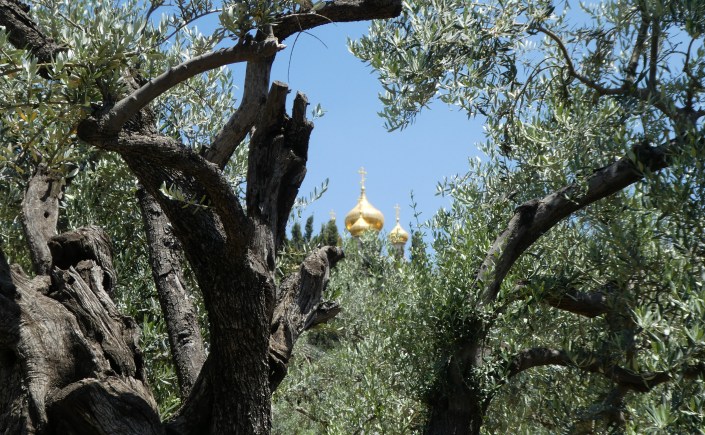
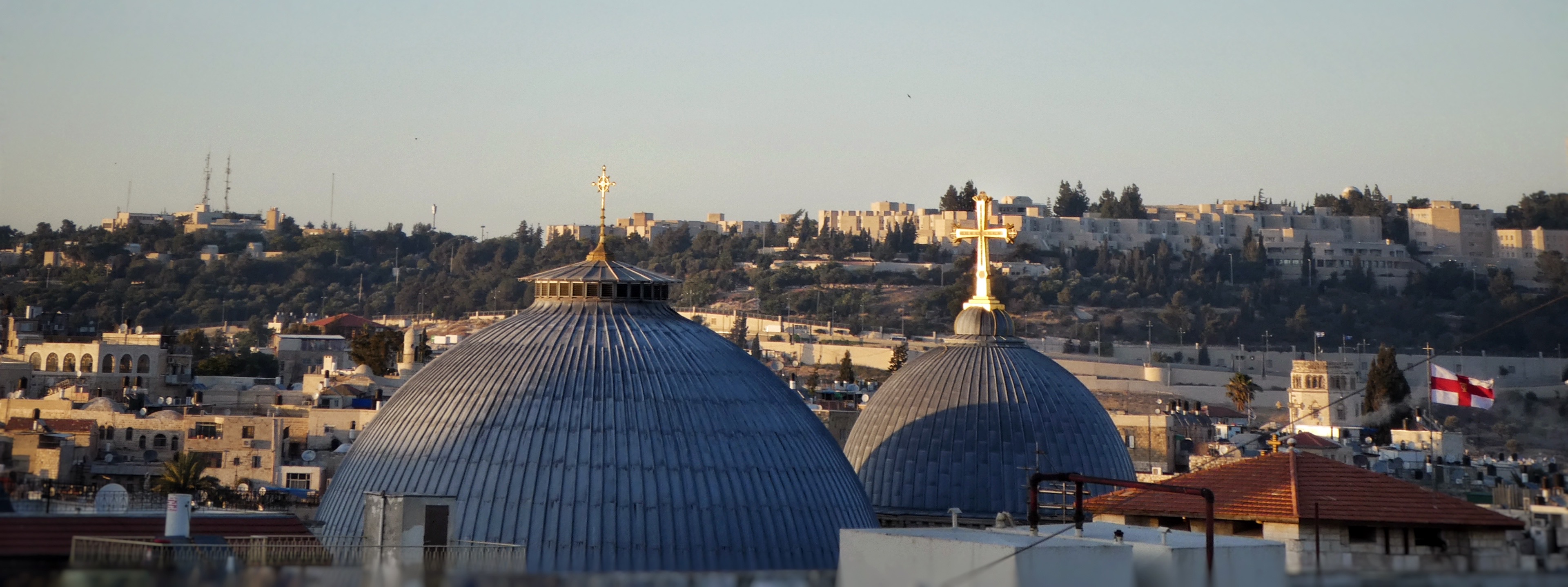
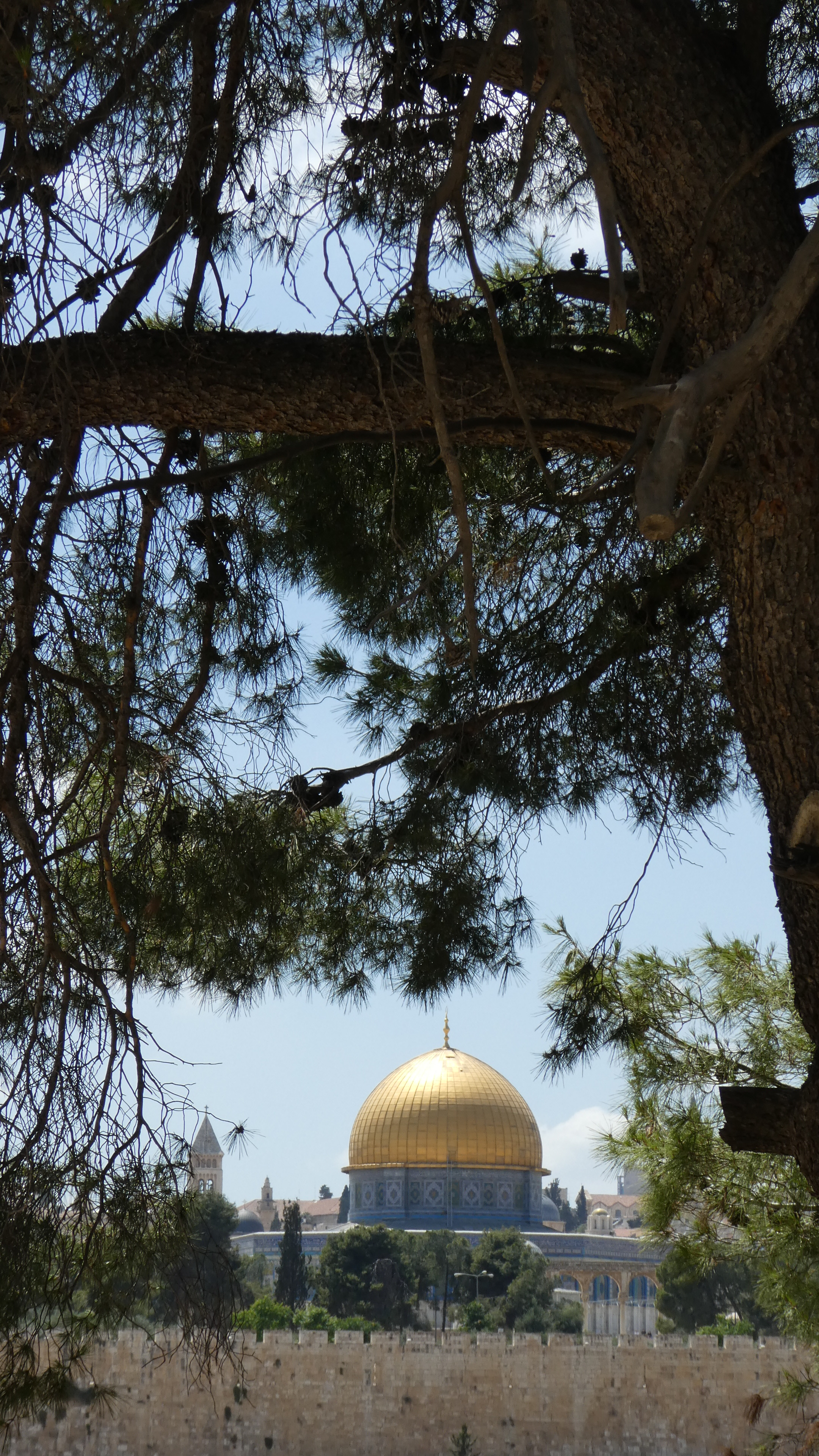
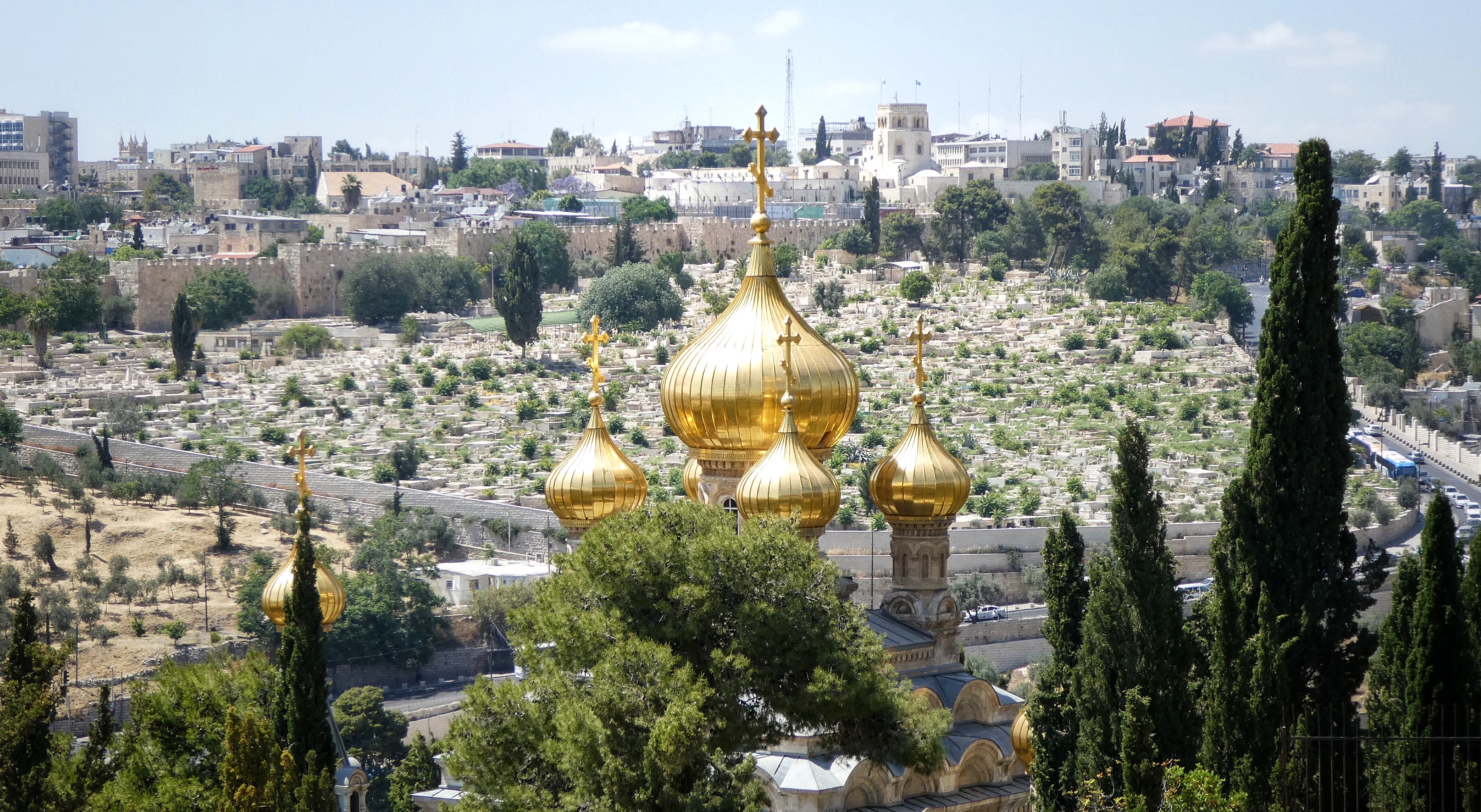
I would always recall these poems when visiting the Holy Land, and since my very first visit in 1971, I have associated them particularly with the Old City of Jerusalem. I took the photographs accompanying this piece in that exquisite place.
The Olive Garden
And still he climbed, and through the grey leaves thrust,
quite grey and lost in the grey olive lands,
and laid his burning forehead full of dust
deep in the dustiness of burning hands.
After all, this.
And this, this, then was the end
Now I’m to go, while I am going blind,
and, oh, why wilt Thou now have me still contend
Thou art, whom I myself no longer find.
No more I find thee. In myself no tone
of Thee; nor in the rest; nor in this stone.
I can find Thee no more. I am alone.
I am alone with all that human fate
I undertook through Thee to mitigate,
Thou who art not. Oh, shame too consummate…
An angel came, those afterwards relate.
Wherefore an angel? Oh, there came the night,
and turned the leaves trees indifferently,
and the disciples stirred uneasily.
Wherefore an angel? Oh, there came the night.
The night that came requires no specifying;
just so a hundred nights and nights go by,
while dogs are sleeping and while stones are lying –
just any melancholy night that, sighing,
lingers till morning mount the sky.
For Angels never never come to such men’s prayers
nor nights for them mix glory with their gloom,
Forsakenness is the self-loser’s doom
and such are absent from their fathers cares
and disincluded from their mothers womb.

The Spectator
I watched the storms in the tree above:
after days of mild decaying
my windows shrink from there assaying,
and the things I hear the distant saying,
without a friend I find dismaying,
without a sister I cannot love.
There goes the storm to urge and alter,
through forest trees and through time’s tree;
and nothing seems to age or falter:
the landscape like an open psalter,
speaks gravely of eternity.
How small the strife that’s occupied us,
how great is all that strives within us!
We might, if, like the things inside us,
we let the great storm over-ride us grow
spacious and anonymous.
We conquer littleness, obtaining
success that only makes a small,
while unconstrained and unconstraining,
The permanent alludes us all:
that angel who, through loath, yet lingers
to wrestle with mortality,
and, when opponents’ sinews settle
in strife and stretch themselves to metal,
can feel it move beneath his fingers
like strings in some deep melody.
The challenger who failed to stand
that trial so constantly rejected
goes forth upright and resurrected
and great from that hard, forming hand
that clasped about him and completed.
Conquests no longer fascinate.
His growth consists in being defeated
by something ever-grandlier great.

The Annunciation
(Words of the Angel)
You are not nearer God then we;
he’s far from everyone .
And yet, your hands most wonderfully
Reveal his benison.
From woman’s sleeve none ever grew
so ripe, so shimmeringly:
I am the day, I am the dew,
you, Lady, are the tree.
Pardon, now my long journey’s done,
I had forgot to say
what he who sat as in the sun,
grand in his gold array ,
told me to tell you, pensive one
(space has bewildered me)
I am the start of what’s begun,
you, Lady, are the tree.
I spread my wings and wide and rose,
the space around grew less;
your little house quite overflows
with my abundant dress.
But still you keep your solitude
And hardly notice me:
I’m but a breeze within the wood,
you, Lady, are the tree.
The angels tremble in their choir,
grow pale, and separate:
never were longing and desire
so vague and yet, so great.
Something perhaps is going to be
that you perceived in dream.
Hail to you! for my soul can see
that you are ripe and teem.
You lofty gate, that any day
may open for our good:
Your ear my longing songs assay
My word – I know now – lost its way
in you as in a wood.
And thus your last dream was designed
to be fulfilled by me.
God looked at me: he made me blind…
You, Lady, are the tree.
René Karl Wilhelm Johann Josef Maria Rilke (4 December 1875 – 29 December 1926), known as Rainer Maria Rilke, was an Austrian poet and novelist. Acclaimed as an idiosyncratic and expressive poet, he is widely recognized as a significant writer in the German language. His work is viewed by critics and scholars as possessing undertones of mysticism, exploring themes of subjective experience and disbelief.
See also in In That Howling Infinite, Better read than dead – books, poems and reading and Paul Hemphill’s Poetry and Verse


John Waterhouse, The Annunciation, 1914

The Annunciation. Dante Gabriel Rossetti
راينر ماريا ريلكه
ترجمه ج ب ليشمان
الشاعر الألماني راينر ماريا ريلكه هو أحد المفضلين لدي .. هذان اثنان من أعماله الروحية السامية ، تمت ترجمتها بشكل جميل من قبل ج ب ليشمان في أول إصدار لي من سلسلة بنجوين الشعراء المعاصري. لا توجد ترجمات أخرى جميلة مثل ترجماته.
حديقة الزيتون
وما زال يتسلق ، ومن خلال الأوراق الرمادية ،
رمادية تمامًا وفقدت في أراضي الزيتون الرمادية ،
ووضع جبهته المشتعلة مملوءة بالتراب
في أعماق غبار الأيدي المحترقة.
بعد كل هذا.
وهذه كانت النهاية
الآن سأذهب ، بينما أنا أعمى ،
و ، أوه ، لماذا تريد الآن أن أجادلني
أنت الذي لم أعد أجده بنفسي.
لا أجدك بعد الآن. في نفسي لا لهجة
منك. ولا في البقية. ولا في هذا الحجر.
لا يمكنني العثور عليك أكثر. انا وحيد.
أنا وحدي مع كل هذا المصير البشري
لقد تعهدت من خلالك بالتخفيف ،
أنت الذي ليس كذلك. أوه ، العار بارع جدا …
جاء ملاك ، فيما بعد.
لماذا ملاك؟ أوه ، جاء الليل ،
وقلبت أوراق الأشجار بلا مبالاة ،
وكان التلاميذ يتقلبون بقلق.
لماذا ملاك؟ أوه ، جاء الليل.
الليلة التي جاءت لا تحتاج إلى تحديد ؛
فقط حتى تمر مائة ليلة وليلة ،
بينما الكلاب نائمة وحجارة الكذب –
فقط أي ليلة حزينة ، تنهد ،
باقية حتى الصباح جبل السماء.
لأن الملائكة لا يأتون أبدًا إلى صلاة مثل هؤلاء الرجال
ولا تخلط الليالي لهم المجد بكآبتهم ،
التهور هو عذاب الخاسر
ومثل هؤلاء غائبون عن اهتمامات آبائهم
واستثنوا من رحم أمهاتهم.
المشاهد
شاهدت العواصف في الشجرة أعلاه:
بعد أيام من التحلل الخفيف
تتقلص نوافذي من هناك ،
والأشياء التي أسمعها تقول من بعيد ،
بدون صديق أجده مخيفًا ،
بدون أخت لا أستطيع أن أحب.
هناك تذهب العاصفة للحث والتغيير ،
من خلال أشجار الغابات وعبر شجرة الزمن ؛
ولا شيء يبدو أنه يتقدم في العمر أو يتعثر:
المناظر الطبيعية مثل سفر المزامير المفتوح ،
يتحدث بجدية عن الخلود.
كم هو صغير الفتن الذي شغلنا ،
ما أعظم كل ما يجتهد فينا!
قد نحب الأشياء التي بداخلنا ،
تركنا العاصفة العظيمة تطوف بنا تنمو
فسيحة ومجهولة.
نحن نتغلب على الصغر ، ونكتسب
النجاح الذي يصنع فقط القليل ،
بينما غير مقيد وغير مقيد ،
الدائم يلمح لنا جميعًا:
ذلك الملاك الذي ، من خلال الكراهية ، باقٍ
تتصارع مع الموت ،
وعندما تستقر أعصاب الخصوم
في الفتنة وتمتد إلى المعدن ،
يمكن أن يشعر أنه يتحرك تحت أصابعه
مثل الأوتار في بعض اللحن العميق.
المتحدي الذي فشل في الوقوف
تلك المحاكمة حتى رفضت باستمرار
يذهب منتصبا ويقوم
وعظيم من تلك اليد الصلبة المشكّلة
التي تشبثت عنه وانتهت.
الفتوحات لم تعد ساحرة.
نموه يتمثل في الهزيمة
بشيء أعظم من أي وقت مضى.
البشارة
(كلمات الملاك)
لستم قريبين من الله منا نحن.
إنه بعيد عن الجميع.
ومع ذلك ، يديك بشكل رائع
تكشف له بنيسون.
من كم المرأة لم ينمو أي شيء
ناضجة جدًا ، ومتألقة جدًا:
انا اليوم انا الندى
أنتِ يا سيدتي الشجرة.
عفوا ، الآن انتهت رحلتي الطويلة ،
لقد نسيت أن أقول
ما هو الذي جلس في الشمس ،
كبير في مجموعته الذهبية ،
أخبرني أن أخبرك ، متأملًا
(الفضاء حيرني)
أنا بداية ما بدأ ،
أنتِ يا سيدتي الشجرة.
بددت أجنحتي واسعة وردية ،
نمت المساحة المحيطة أقل ؛
بيتك الصغير يفيض تمامًا
مع ثوبي الوفير.
لكن ما زلت تحافظ على وحدتك
وبالكاد تلاحظني:
أنا مجرد نسيم داخل الغابة ،
أنتِ يا سيدتي الشجرة.
ترتجف الملائكة في كورالهم ،
تصبح شاحبة ومنفصلة:
لم يكن هناك شوق ورغبة
غامضة جدًا لكنها رائعة جدًا.
ربما شيء ما سيكون
التي تراها في الحلم.
تحية لك! لروحي تستطيع أن ترى
أنك ناضج ومزدحم.
أنت بوابة عالية ، في أي يوم
قد تفتح لمصلحتنا:
أذنك مقايسة أغاني الحنين
كلمتي – أعرف الآن – ضلت طريقها
فيك كما في الخشب.
وهكذا تم تصميم حلمك الأخير
ليحققها لي.
نظر إليّ الله: جعلني أعمى …
أنتِ يا سيدة الشجرة.
 In That Howling Infinite